
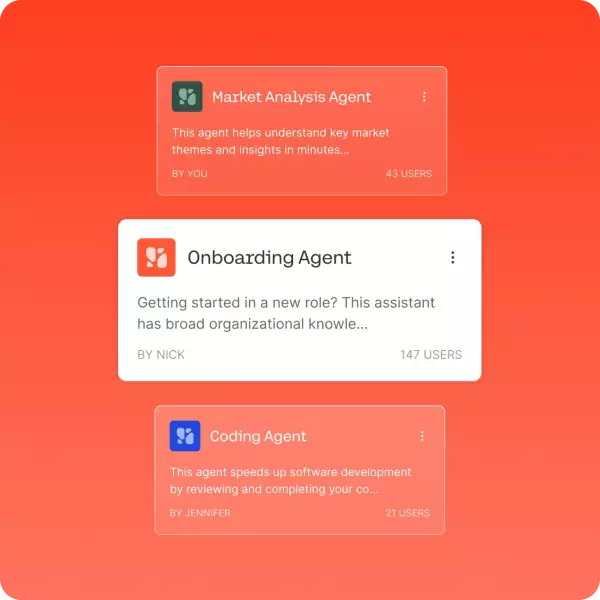
In the rapidly evolving landscape of artificial intelligence, the release of Cohere’s latest model, Command A Reasoning, marks a pivotal moment for enterprise AI deployment. Unlike generic models that often falter under the weight of complex, domain-specific tasks, this new Large Language Model (LLM) is crafted explicitly for the nuanced needs of large organizations. With its emphasis on robust reasoning, multilingual support, and integration flexibility, Cohere positions itself not just as a vendor but as a strategic partner capable of transforming how enterprises harness AI for operational excellence.
What sets Command A Reasoning apart is its carefully engineered design, aimed at solving longstanding challenges faced by businesses. From handling sprawling document repositories to managing long email chains and automating workflows, this model seems to have been built with an acute understanding of enterprise pain points. The model’s capacity to deliver consistent, accurate, and context-aware responses promises to cut through the ambiguity often associated with generative AI technologies, fostering trust and reliability in critical business functions.
Technical Strengths Driven by Purposeful Design
The architecture of Command A Reasoning embodies a deliberate focus on performance, efficiency, and security. Weighing in at 111 billion parameters—comparable with some of the most advanced models like GPT-5—it claims a prowess in reasoning tasks that enterprises require for high-stakes decision-making. Its support for up to 256,000 tokens in multi-GPU setups underscores a commitment to handling large-scale, document-intensive workflows with finesse.
From a multilingual perspective, the model supports 23 languages at launch, which is imperative for global corporations navigating diverse markets. This facilitates consistent agent interactions regardless of geographical location, ensuring unified enterprise operations. The inclusion of multilingual capabilities signifies Cohere’s recognition of an increasingly interconnected world where language diversity can be a barrier or a bridge depending on the tools employed.
Cohere’s decision to embed tool-use as a core feature underscores a broader trend in AI development: models as flexible, action-oriented agents capable of connecting with external APIs, databases, or external systems. This functional integration enhances the model’s practical utility, transforming it from a mere conversational agent to a proactive contributor within complex enterprise workflows.
Customizability, Control, and Safety: Meeting Enterprise Demands
One of the most compelling aspects of Command A Reasoning is its adaptable operational parameters. The token budget feature is a testament to Cohere’s recognition that performance needs vary—a quick, cost-effective response is sometimes more valuable than an exhaustive deep dive, and vice versa. Developers can toggle reasoning depth, balancing speed against depth seamlessly within the same model, thereby optimizing for diverse use cases with minimal friction.
Equally important is the model’s safety architecture. Enterprises operate within regulatory and ethical constraints, making the careful management of sensitive data and risky content essential. Cohere’s training to avoid over-refusal—while maintaining robust filtering of harmful content—strikes a practical balance. This approach allows companies in regulated sectors such as healthcare, finance, and government to deploy AI tools more confidently, knowing that safety and compliance are baked into the core design.
The partnership with SAP exemplifies this pragmatic approach. By embedding Command A Reasoning into large-scale enterprise systems, SAP aims to strengthen its AI capabilities while providing enterprise clients with customizable, secure solutions tailored for their specific operational contexts.
Market Positioning and Future Implications
Cohere’s valuation at $6.8 billion, bolstered by a recent $500 million funding round, demonstrates not only investor confidence but also the market’s recognition of the model’s strategic importance. The decision to keep pricing bespoke and private reflects an understanding that enterprise AI solutions must be customized to fit unique organizational needs—no one-size-fits-all approach will suffice.
Opening the model for research on Hugging Face under a CC-BY-NC license showcases Cohere’s willingness to foster open innovation, but the closed, pay-to-access enterprise deployment indicates a clear delineation: research for academic and exploratory purposes versus targeted commercial solutions.
Looking ahead, this release signals a move toward AI systems that are not only powerful but also controllable, safe, and deeply integrated into organizational processes. With the capacity for multi-modal extensions and seamless API integrations, we can envision future enterprise systems operating with unprecedented levels of autonomy, precision, and security. However, the real challenge—and opportunity—lies in how businesses will harness this power responsibly, ensuring AI acts as a true partner rather than an unpredictable black box.
—
Note: This analysis critically examines Cohere’s Command A Reasoning from a strategic, technical, and ethical perspective, emphasizing the model’s implications for enterprise AI adoption. It highlights both its strengths and the underlying assumptions about AI’s role in future business landscapes.
 English
  Spanish