
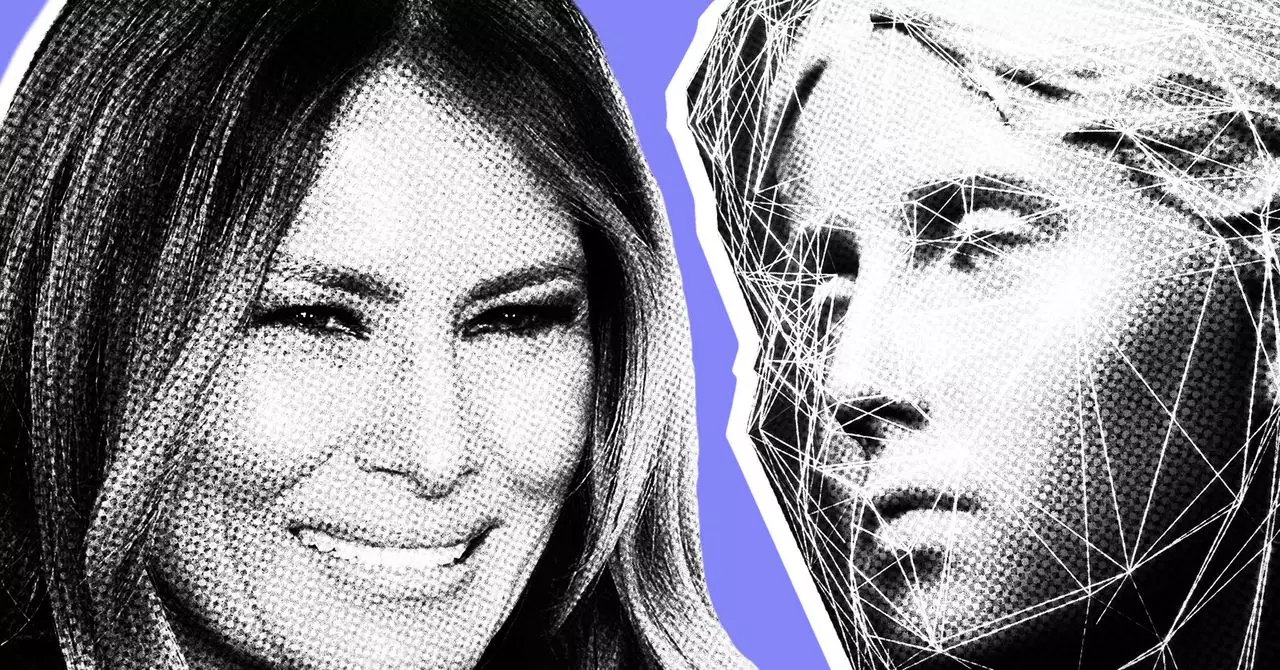
In recent political discourse, First Lady Melania Trump’s involvement in shaping AI policy has been largely overlooked or mischaracterized. Despite her limited public statements, her nascent engagement signals a strategic move to position herself as a voice in an arena often dominated by technocrats and policymakers. While the broader AI policy landscape is filled with high-stakes executive orders and governmental initiatives, her role appears to be more than mere symbolism; it hints at a nuanced attempt to influence the conversation around technology’s societal impacts, especially on children. However, the ambiguity surrounding her specific objectives—whether prioritizing child safety or workforce readiness—raises questions about her true influence. Is she a mere figurehead or an active participant guiding the direction of AI integration into society? From the outside, her involvement seems opportunistic, yet it also presents a rare chance for a prominent political figure to advocate for policies that ensure technology serves public well-being rather than corporate interests alone.
Industry’s Response: From Cautious Optimism to Strategic Alignment
The AI industry’s perception of Melania’s emerging role appears cautiously optimistic. Industry insiders suggest her presence could catalyze commitments from leading technology firms, potentially surpassing the multibillion-dollar promises already made during previous administrations. This hints at a recognition within the sector that her support might legitimize and accelerate initiatives aimed at aligning corporate innovation with societal needs. Yet, this alliance isn’t without its complexities. The tech giants—enthusiastic players invested in shaping future AI standards—may view her involvement as a political asset that can be leveraged to broader regulatory and market advantages. Moreover, her rapport with influential figures like Sergey Brin’s partner, Gerelyn Gilbert-Soto, suggests that her engagement isn’t superficial. Instead, it indicates a deliberate effort to connect with key industry stakeholders who hold sway over the direction and ethical considerations of AI development.
Policy Ambitions: Balancing Innovation, Regulation, and Global Rivalry
The current U.S. administration’s AI strategy embodies a multifaceted approach: fostering innovation, establishing national infrastructure, and asserting technological dominance on the global stage. These efforts are as much about maintaining American competitiveness as they are about avoiding dependence on foreign powers such as China. In this context, Melania’s involvement could serve as a bridge—an influential figure who can appeal to both public sentiment and corporate interests—helping to soften regulatory overreach while promoting ethical AI use. The administration’s focus on removing regulatory barriers to accelerate innovation is undeniably crucial, but it raises concerns about safeguarding societal values, especially when considering children’s safety and privacy. While the White House has yet to clarify Melania’s specific focus on AI education or children’s protection, her positioning suggests an intuitive understanding that technology’s societal impact must be addressed from a moral perspective, not just an economic one.
Strategic Messaging and Public Perception
What is particularly striking about Melania’s role is how her engagement can subtly influence public perception of AI technology. Her listening and engagement during industry events, like the dinner with tech executives, project an image of measured curiosity and support—an essential counterbalance to fears of unchecked technological power and dystopian futures. Importantly, her seeming attentiveness and warmth could help humanize the complex and often impersonal world of AI policy, potentially fostering public trust. This is a potent tool; in an era rife with misinformation and skepticism, her presence could mobilize public opinion toward a more responsible and cautious embrace of AI.
Her role might also serve the administration’s broader political goals: fostering a narrative where technological progress is aligned with family and societal values. This strategy could soften resistance from skeptical constituencies and create diplomatic space for a more balanced policy approach that champions innovation without neglecting the vulnerable—especially children—who are most susceptible to digital harms such as deepfakes, data privacy breaches, or exposure to harmful content.
While Melania’s initiative and advocacy may seem minor compared to the sprawling machine of government policy and industry interests, it embodies a unique form of soft influence—an unassuming yet powerful push toward responsible AI integration. Her involvement, couched in careful diplomacy rather than overt activism, has the potential to reshape the narrative around AI’s societal role. If executed with strategic intent, her support could promote a future where technological innovation advances hand-in-hand with strong protections for children and societal ethics. In the tumultuous landscape of AI development, her quiet yet deliberate involvement might become a model for how influential figures can shape policy from the margins—steadily, thoughtfully, and with a focus on humanity’s best interests.
 English
  Spanish