
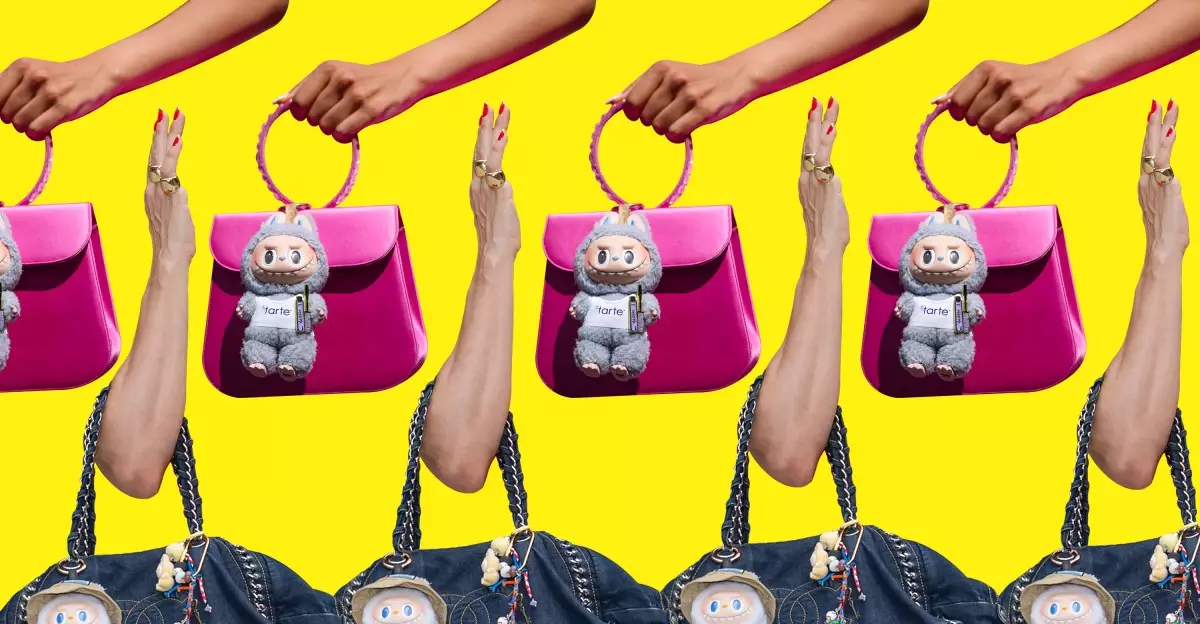
In today’s fast-paced digital landscape, few things exemplify the paradox of modern consumerism quite like the hunt for Labubu figurines. What begins as a simple desire to collect adorable toys evolves into an intricate, almost gladiatorial contest of wit, patience, and perseverance. This phenomenon underscores a broader cultural shift: the transformation of shopping from a straightforward activity into an experience fraught with obstacles meant to heighten anticipation and, arguably, consumer engagement.
The trials faced by collectors—to navigate complex apps, outsmart bots, and endure relentless live streams—reveal how brands like Pop Mart consciously design hurdles that turn acquiring these figures into more than just a transaction. Instead, they craft a digital game whose winners are often those with luck and relentless persistence. This artificial scarcity and the painstaking process involved highlight a troubling aspect of contemporary capitalism: the commodification of desire through controlled access and psychological manipulation.
The Art of the Digital Chase and Its Psychological Toll
Every attempt to secure a Labubu feels akin to participating in a high-stakes, digital version of a lottery or a gambling game. The interface mimics in-game mechanics—timed releases, grayed-out boxes, and the need for rapid-tap reflexes—forcing consumers into a frenzied state. These hurdles are intentionally designed, fostering a sense of exclusivity and making the act of acquisition psychologically addictive.
Behind this spectacle lies an unsettling truth: the pleasure of the collectible is less about the toy itself and more about the victory—over the app, over other buyers, over the system. The competitive nature, amplified by tips and hacks shared across social media, turns what could be an innocent hobby into a stressful ordeal. Influencers, who gain fame by sharing their ‘success’ in scoring rare Labubus, further entrench the idea that persistence equals value. Yet, such narratives ignore the artificial barriers that keep this cycle spinning—are consumers truly engaging with these toys willingly, or are they trapped in a manufactured cycle of hope and disappointment?
The physical act of hunting, whether by clicking furiously or camping out on streaming platforms, becomes a ritual of endurance. The thrill lies not in the object itself but in the process—a process designed to keep consumers hooked. This strategy reveals a deeper critique of modern marketing, where consumer effort is weaponized to create a more emotionally invested and, ultimately, more profitable market.
Collectibility as a Reflection of Modern Gambling Culture
Labubu’s rise to popularity fits within a broader pattern of collectibles resembling gambling in disguise. The rare boxes, the unpredictable odds of securing a coveted color, and the addictive unboxing experience all mirror slot machines or scratch cards. When a toy transforms into a high-stakes game, it taps into primal human psychology—our inherent desire for chance, novelty, and the potential for a big payoff.
This dynamic raises moral questions: is it ethically responsible for brands to evoke gambling-like thrill in everyday consumers, especially when many are young or impressionable? The line blurs between innocent collecting and compulsive gambling behaviors. The rarity factor, which is emphasized through the chance of hitting that one-in-72 color, further fuels this addiction. In essence, consumers are not merely buying a toy but engaging in risk-laden entertainment with high thrill-seeking potential.
From a marketing perspective, this creates a cycle where the real value isn’t the collectible but the emotional high derived from the possibility of winning. The hype and speculation also inflate prices, transforming these small toys into lucrative commodities in secondary markets. Collectors, driven by the thrill rather than intrinsic worth, often find themselves caught in a supply-and-demand frenzy where sheer luck determines their success.
The Cultural Impact and Future of Labubu Collecting
Despite the frustrations, the popularity of Labubu continues to surge, indicating a deep-seated cultural craving for validation through scarcity and effort. When search volume hits record highs, and TikTok streams are packed with unboxing videos, it becomes evident that this phenomenon isn’t merely about the toys—they symbolize achievement, dedication, and belonging within a fandom.
Yet, a pivotal question remains: how sustainable is this hype? Will the market mature past the chaos and frustration, or will it perpetuate a cycle of artificial scarcity that keeps consumers forever chasing a mirage? The potential backlash could mirror other fleeting fads, or it could evolve into a more mindful appreciation of these collectibles, stripping away their gambling-like appeal and emphasizing genuine enthusiasm and community.
In the end, Labubu’s extraordinary journey exemplifies a broader societal trend—our collective willingness to accept manufactured scarcity and stressful purchasing experiences for the promise of a tiny, adorable reward. Whether this phenomenon will eventually fade or transform into a more mature collector’s culture remains uncertain, but what’s clear is that in this game of patience and luck, the true victory is ultimately elusive.
 Spanish
  English