
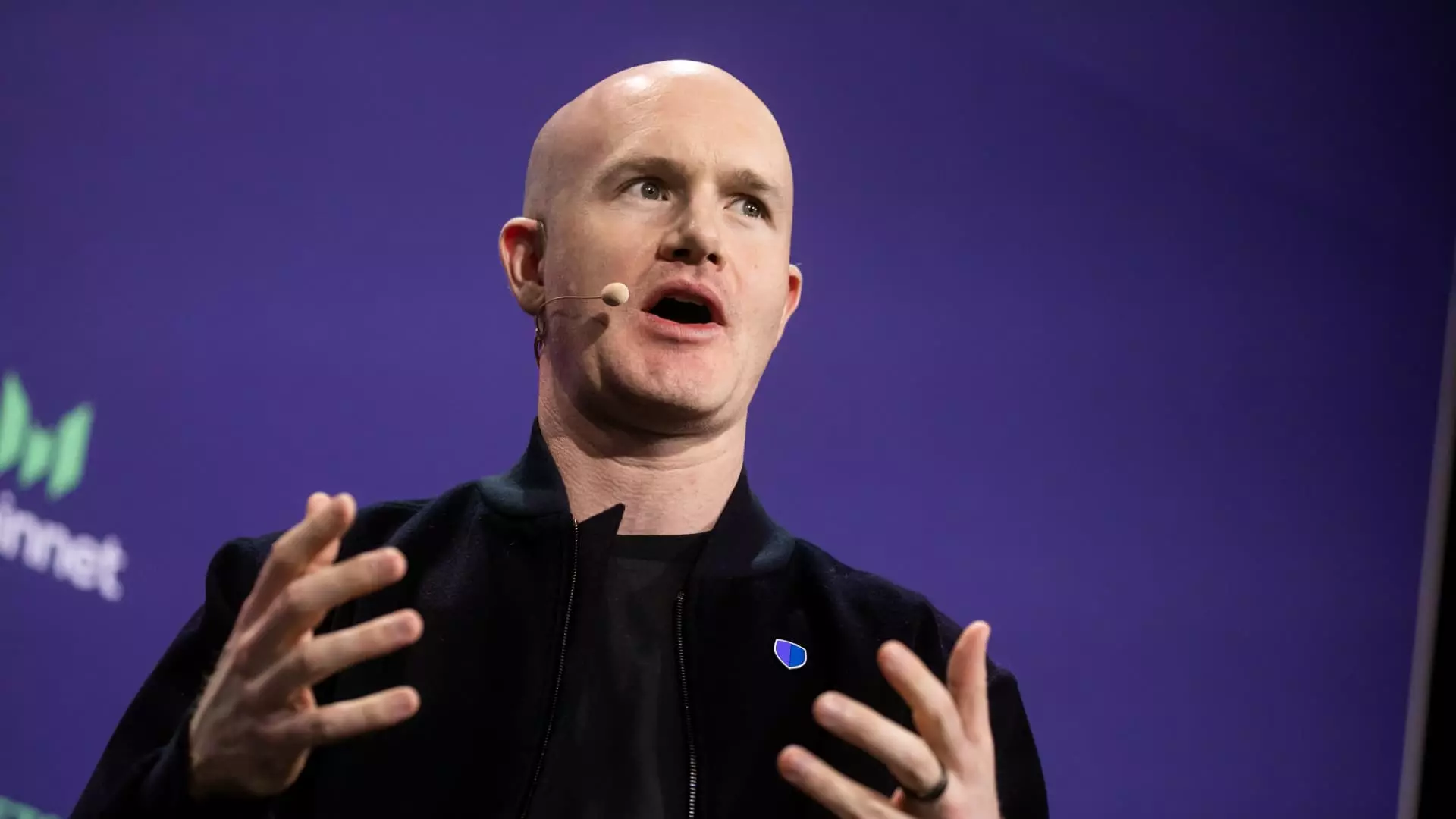
The recent showdown on Capitol Hill marks a pivotal moment in the ongoing transformation of the financial landscape. At the heart of this confrontation lies the fierce debate over how cryptocurrencies and related rewards should be regulated, reflecting deeper tensions between the innovative spirit of crypto companies and the entrenched interests of traditional banking institutions. Coinbase CEO Brian Armstrong’s outspoken stance underscores an industry resistance to stifling regulations that could hamper competitive innovation. Unlike conventional banks, which operate within a heavily regulated framework, crypto exchanges offer attractive incentives—like holding rewards—that threaten to upset the status quo. This clash exemplifies the broader challenge of integrating disruptive technology into a system designed to protect incumbent players at the expense of consumer choice and innovation.
The core issue revolves around whether exchanges should be allowed to continue offering interest-like rewards on stablecoins, especially USDC. Coinbase offers a 4.1% return, while Kraken pushes this figure even higher at 5.5%. The recently enacted GENIUS Act attempts to restrict these rewards, citing risk management concerns and the stability of traditional banking markets. Yet, these restrictions could inadvertently favor large, legacy financial institutions that fear losing deposits to the burgeoning crypto ecosystem. The underlying premise is that limiting rewards will protect banks’ ability to lend and foster economic growth, but this narrative conveniently ignores the consumer’s right to access alternative, potentially more lucrative financial options.
The Myth of the Threat: Are Rewards Really Endangering Banks?
Bank advocacy groups have soundbited dire warnings, claiming that allowing crypto exchanges to pay interest will cause a deposit exodus from community banks, threatening their survival and the broader economy. John Court from the Bank Policy Institute implies that a flood of stablecoin investments could undermine the traditional lending system—an assertion that is, at best, alarmist rhetoric. The Treasury Borrowing Advisory Committee’s estimate of $6.6 trillion potentially shifting from traditional deposits to stablecoins seems to be used as a scare tactic rather than a realistic projection of imminent banking collapse.
What is often missed in this debate is the fundamentally different nature of crypto rewards compared to traditional bank interest. While banks operate under strict regulatory oversight, crypto companies are pioneering new financial frontiers that empower consumers. The restrictions on such rewards—imposed under the guise of protecting the financial system—may actually serve to entrench existing monopolies, preventing consumers from benefiting from genuine competition. Armstrong’s characterization of these claims as a “boogeyman” rings true, exposing the real motive: preserving legacy profits, particularly the estimated $180 billion earned by banks from their payment services.
The Battle for Consumer Choice and Market Fairness
The conflict hinges on an essential question: Should the financial system be about innovation, or should it serve the interests of entrenched institutions? Crypto advocates argue that prohibiting rewards stifles consumer choice and preserves a market that favors large banks incapable of matching the returns offered by newer platforms. The recent letters from crypto groups challenge the narrative that rewards threaten stability, emphasizing that such restrictions could tilt the playing field unfairly and slow down the benefits of decentralized finance.
Meanwhile, prominent figures like JPMorgan Chase’s Jamie Dimon state that regulation needs to be thoughtful, yet he stopped short of opposing crypto outright. This nuanced stance signals that even conservative financial leaders recognize the transformative potential of digital assets, provided they are integrated responsibly. However, the ongoing legislative dance—particularly with drafts of the market structure bill—reveals a lack of consensus and a propensity to favor the status quo. Senators like Cynthia Lummis, who support a balanced approach, seem more attuned to the realities of innovation, yet the overarching narrative remains contested.
The ultimate question is whether policymakers will prioritize consumer empowerment and technological progress or succumb to the entrenched lobbying power of traditional banks. The ongoing debates and legislative negotiations clearly illustrate that this is not merely about rewards or regulation but about shaping the future architecture of global finance—one in which competition, innovation, and consumer choice should be the guiding principles, not the preservation of outdated, shielded profits.
 Spanish
  English