
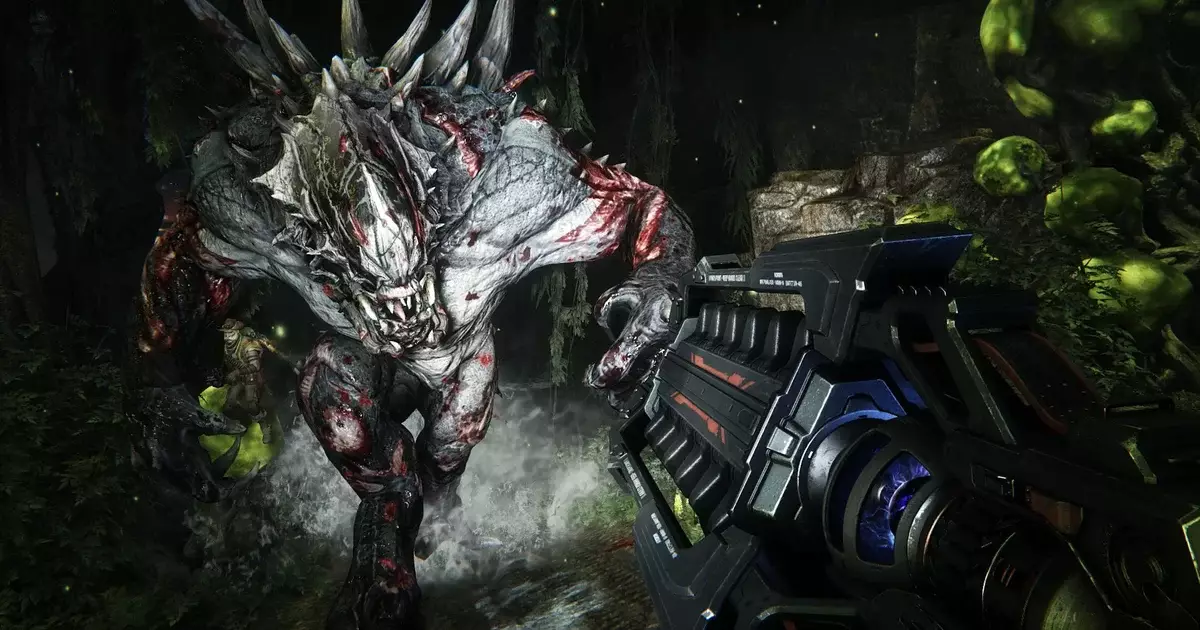
Evolve arrived with the ambitious promise of redefining multiplayer gaming through its asymmetrical design—a dynamic interplay between a monstrous predator and a team of skilled hunters. At its core, it was an inventive twist on the classic predator-prey narrative, offering players the thrill of chaos and coordination. I recall my initial enthusiasm when choosing the Wraith, a sleek, stealthy creature capable of warping across the map, embodying the allure of a creature that was both devastating and elusive. Those early moments, filled with adrenaline-fueled pursuits and tactical maneuvering, showcased the potential of the game to create tense, memorable encounters. Yet, beneath the surface, it was plagued by a toxic combination of grindy progression systems and the relentless encroachment of microtransactions, which swiftly tarnished its initial spark.
The gameplay had undeniable charm: four hunters equipped with jetpacks, traps, and heavy weaponry, fighting against an environment that could shift from claustrophobic alleys to open wastelands. The game’s design encouraged this cat-and-mouse chase, with the monster evolving over time, unlocking new abilities, and becoming more formidable as the game progressed. Unfortunately, the relentless focus on monetization, coupled with an overly stifling and slow early game grind, turned what could have been a groundbreaking experience into an often frustrating slog. The community’s fractured support, marginalized by delayed updates and paid DLC, further compounded the problem. Eventually, Evolve was quietly shelved, and the publisher’s decision to delist it in 2018 sealed its fate as a cautionary tale of promising ideas hijacked by unrestrained monetization.
The What-Could-Have-Beens and the Canceled Sequel
Amidst the disappointment, a flicker of hope remained—an indication that Turtle Rock Studios had their eyes on resurrection. Evidence surfaced in concept art and design documents revealing plans for Evolve 2—a version that might have recaptured the game’s original spark, but perhaps in a more refined or different form. The artwork suggests ambitious environments like asteroid mining facilities and space stations, which could have introduced a more atmospheric and narratively rich setting. These designs evoke a sense of dark futurism and terrifying alien constructs—elements that resonated with me deeply.
According to TJ Frame, a senior concept artist involved in the project, development on Evolve 2 ceased after several months of pre-production. The few details available hint at a more linear progression, contrasting sharply with the game’s initial emphasis on emergent, sandbox-style gameplay. Locations such as “The Akhenaten,” a sprawling asteroid mining complex, and remakes of familiar terrains hinted at an evolution—pun intended—toward a more controlled experience. It’s easy to imagine how such environments could have amplified the horror atmosphere, allowing for more detailed storytelling and immersive tension. Unfortunately, despite the promising visuals and conceptual richness, the project was deemed unviable or experimental enough to be cut loose as the studio pivoted to other endeavors.
The Road Not Taken and Lingering Regret
The cancellation of Evolve 2 feels like a missed opportunity—a rare case where a promising concept was either too ahead of its time or simply failed to find the right moment to flourish. Given the increasing success of narrative-driven multiplayer experiences and the sustained demand for atmospheric, cooperative horror, this was a chance for Turtle Rock to redefine their legacy. Instead, they moved on to projects like Back 4 Blood, which, despite its own merits, couldn’t quite capture the unique thrill that Evolve once promised.
What makes the game’s crash especially frustrating is the sense that its core ideas—multi-layered asymmetry, evolving monsters, strategic team play—are undeniably compelling. The thematic elements, painted by concept art that evokes terrifying insect-like creatures and alien environments, hint at a horror aesthetic that could have distinguished Evolve from similar titles. Yet, corporate decisions, market pressures, and perhaps a lack of patience prevented those visions from reaching fruition. Now, the remnants of that ambitious project live on only in community circles and canceled concept art, serving as a reminder of what might have been.
It’s worth noting that the community’s resilience persists, as seen with the revival of franchises like Aliens vs. Predator. These remnants serve as a testament to the enduring appeal of the genre’s themes, and perhaps, someday, the gaming industry will give Evolve’s concepts another chance—this time, unencumbered by the pitfalls of its initial release. Until then, the ghost of Evolve’s potential reminds us that innovation sometimes dies in the cradle of commercial pressures, leaving behind only whispers of a game that could have been a masterpiece.
 Spanish
  English