
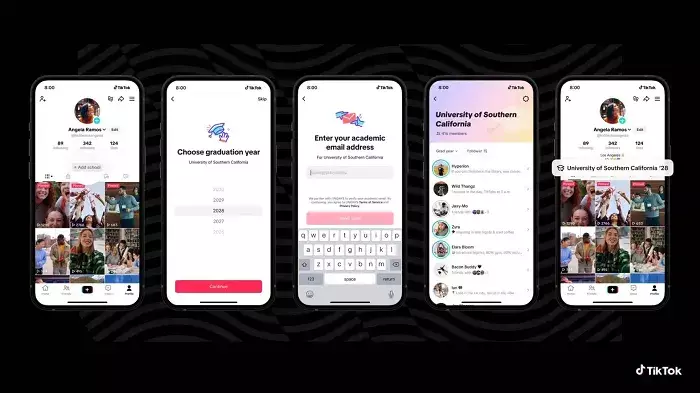
As college students prepare to step onto campuses worldwide, the social landscape they will encounter is evolving rapidly. TikTok’s latest initiative, “Campus Verification,” represents a compelling effort to foster real-world connections within the digital sphere. By integrating a feature that allows students to associate their profiles with their specific institutions, TikTok aims to create a virtual hub where students can easily find and interact with classmates, fostering a sense of belonging from the very start of their college journey. This move is rooted in the understanding that social bonds formed early in college are often pivotal, shaping students’ overall experiences and success. By providing a dedicated platform to locate peers in similar academic years or interests, TikTok seeks to become more than just an entertainment app — it aspires to be a community builder for young adults navigating new environments.
The Mechanics and Challenges of Verification
The process behind Campus Verification hinges on a multi-layered approach to authenticity. Initially, students confirm their enrollment through their college email addresses, a step that, while not infallible, offers a barrier against impersonators. Recognizing the limitations of email verification, TikTok has partnered with UNiDAYS, a prominent student verification platform, to add an additional layer of validation. This collaboration underscores TikTok’s acknowledgment of the importance of security and authenticity in creating a trusted student network. Once verified, students are empowered to search for their school, filter results by graduation year, and identify the most followed peers on the platform. This functionality aims to replicate the familiar social dynamic of college life — the ability to discover friends, acquaintances, or even future collaborators, in one centralized space.
However, the initiative isn’t without its hurdles. Past attempts by platforms like Facebook with its “Campus” feature have encountered significant obstacles, primarily struggles with access and security concerns. Facebook’s inability to expand successfully and its challenges with non-students infiltrating the network serve as cautionary tales. TikTok’s entry, with a larger initial rollout covering 6,000 U.S. universities, demonstrates an ambitious push that could redefine campus social strategies. Yet, the complexity of managing verification at this scale poses questions about operational robustness, potential privacy issues, and safeguarding against misuse. The ongoing balancing act between openness and security could determine whether this feature truly aids students or becomes a source of headache for platform administrators.
The Broader Impact and Future Considerations
TikTok’s move represents a broader trend of social platforms intertwining online and offline experiences, particularly targeting younger generations deeply embedded in digital culture. The platform’s popularity among Gen Z offers a strategic advantage; with many students already engaging with TikTok daily, the integration of campus-specific features could significantly amplify their loyalty and engagement. If successful, this feature might not only facilitate social connections but also help reduce the loneliness and anxiety often associated with starting college.
Nevertheless, the initiative also raises critical issues about digital safety, privacy, and authenticity. As the platform ramps up verification processes, there’s an inherent risk of exclusivity and privacy breaches. How TikTok manages these concerns will be pivotal to its acceptance among students, families, and college administrators. Despite these challenges, TikTok’s bold leap into college-specific social networking indicates a recognition that the future of social media hinges on authentic, community-driven experiences that extend beyond a simple scroll feed. If executed thoughtfully, this feature could pave the way for a more connected, supportive, and engaging college phase for millions of students across the country, and maybe beyond, redefining what social networks can accomplish in the educational sphere.
 Spanish
  English