
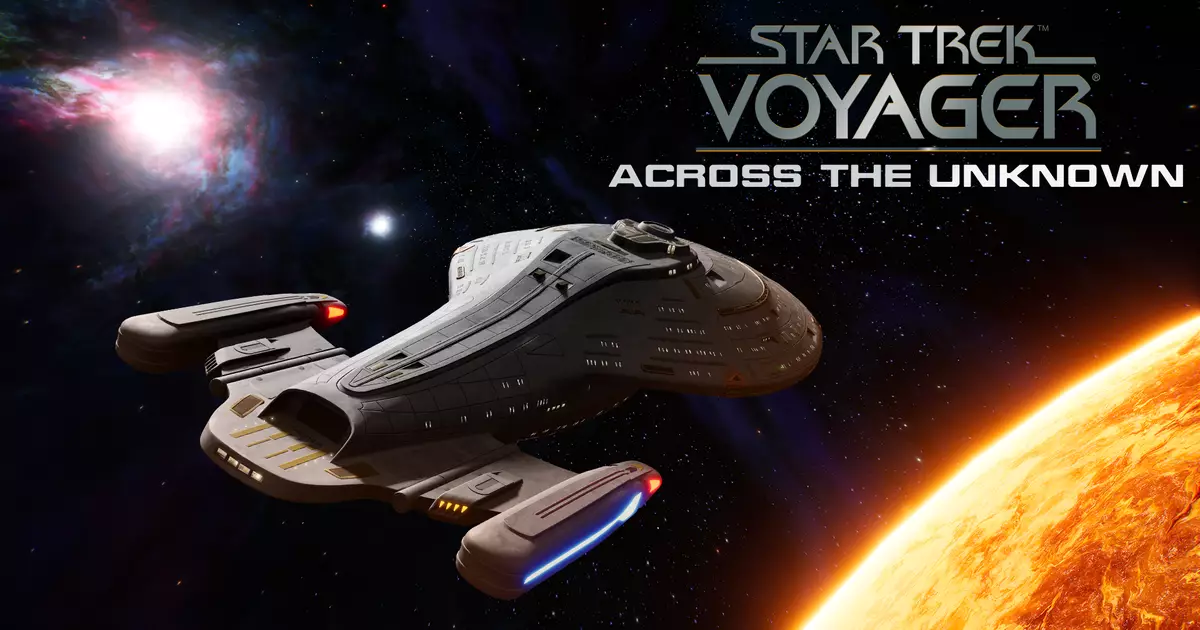
Star Trek: Voyager has long held a special place in the hearts of sci-fi enthusiasts, representing a journey of resilience, exploration, and human ingenuity in the vast, mysterious Delta Quadrant. The announcement of *Star Trek: Voyager – Across the Unknown* marks an ambitious attempt to breathe new life into this beloved universe through the lens of a contemporary story-based survival strategy game. At first glance, this project seems to stand at the intersection of nostalgia and innovation, promising players a chance to re-enter Voyager’s universe with a fresh perspective. It’s a bold move that directly targets fans eager to relive familiar moments while also offering potential for unexpected twists.
Gameplay That Enthralls and Frustrates in Equal Measure
The game’s concept marries exploration, resource management, and moral decision-making—an intriguing blend that hints at a rich, layered experience. Managing systems, crew morale, and diplomacy reflects the complexities inherent in operating a starship deep in unknown territory. The roguelite elements introduce a level of unpredictability, ensuring no two playthroughs are alike, and that players must adapt swiftly to emerging challenges. This approach has become so ubiquitous in modern gaming that it risks diluting the original sense of adventure. Still, it does promise an engaging sandbox for fans who dream of what-if scenarios—perhaps Janeway becoming Borg Queen or the Doctor taking command.
While such mashups can lead to creative storytelling, they also invite skepticism. Will this strategy game deepen the narrative, or simply offer superficial novelty? The inclusion of base-building aspects, reminiscent of *XCOM: Enemy Unknown*, might be a double-edged sword. On one hand, it provides tangible progression; on the other, it risks turning the mission into a repetitive grind or a sterile management exercise, stripping away the cosmic wonder that makes Star Trek unique.
Celebrating Character Dynamics and Player Agency
What truly elevates this project is its emphasis on character interaction and player choice. The opportunity to assemble away teams with unique skills echoes classic Star Trek episodes where collaboration and tactical ingenuity lead to victory. The capacity to decide whether crew members take scientific risks, navigate hostile encounters, or favor diplomacy underscores a desire to empower players as captains shaping their story.
The potential for memorable moments—like making strategic decisions that lead to character sacrifices or unexpected alliances—adds depth to the experience. Yet, the challenge will be in balancing the unpredictability with meaningful consequences. The roguelite nature heightens this tension: every decision could be terminal for key characters, and the randomness might undermine the stories fans hold dear. However, if executed well, it could foster a sense of genuine risk and reward that captures the tension of starship command.
Visuals, Nostalgia, and the Allure of the Familiar
Visually, the game’s design choices—such as a dollhouse spaceship and a vintage-style HUD—are likely to evoke a cozy, familiar aesthetic that appeals to nostalgic fans. The idea of reliving the classic Voyager intro, exploring familiar interiors, and commanding crew members resonates strongly with those who grew up watching the show. The inclusion of familiar characters like Harry Kim and the promise of iconic ship-to-ship combat further deepen this connection.
Yet, some visual elements, such as the top-down solar system navigation, risk making the universe feel less expansive and more confined—the “Center Parcs” of space, so to speak. While functional, this approach may inadvertently diminish the vastness and mystery that define the Delta Quadrant. Still, the core appeal remains: a chance to step back onto Voyager and determine its fate through player-driven choices.
A Personal Reflection on Potential and Predicaments
At the heart of my critique is a conflicting mixture of nostalgia-driven excitement and wariness. The idea of reimagining Voyager’s journeys with modern gameplay mechanics is tantalizing; it suggests a new way to experience a universe that has inspired generations. However, the inclusion of common roguelite tropes—repetitiveness, randomness, and potential superficiality—raises questions about whether the game can truly honor the depth of the original series or if it will become just another generic survival exercise.
Particularly intriguing is the possibility of exploring alternate scenarios that the series never depicted, giving fans a sandbox to revisit and reimagine key moments. Yet, I worry that the core gameplay may lean too heavily on formulaic systems that prioritize mechanics over storytelling. Whether this game can strike a balance between nostalgia and innovation remains to be seen, but one thing is clear: Voyager fans deserve a thoughtfully crafted experience, not just another digital spaceship simulator.
—
Ultimately, *Star Trek: Voyager – Across the Unknown* offers a tantalizing glimpse into what a modern reimagining of the series could be—diverse, daring, and deeply rooted in fan service. Whether it will deliver on its promises or succumb to the pitfalls of genre clichés is uncertain. Nonetheless, it signifies a bold step towards merging beloved science fiction worlds with innovative gameplay, challenging us to ask: can we reinvent Voyager without losing what made it special?
 Spanish
  English