
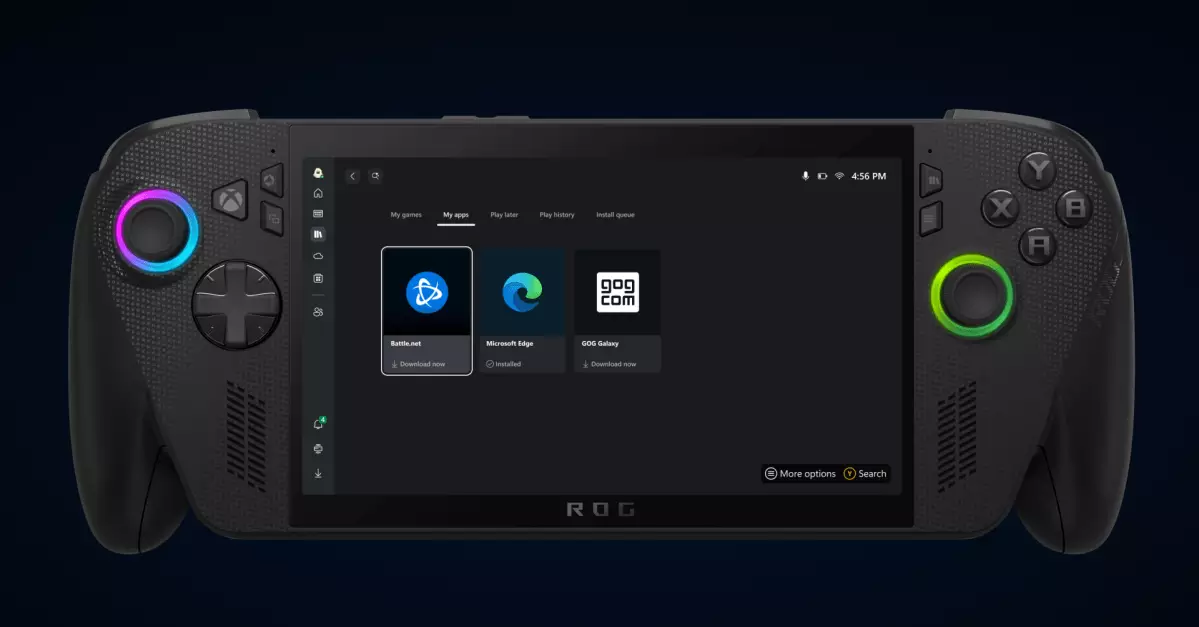
Microsoft’s latest innovation, the ‘My Apps’ feature within the Xbox app for Windows 11, signals a bold shift in how gamers access and manage their digital libraries. This development isn’t merely a minor update; it’s a strategic move that emphasizes streamlining user experience in an era where convenience and efficiency are paramount. The core idea is simple yet profound: replace the fragmented process of hunting down games and utilities across various platforms and stores with a unified, easily navigable interface.
In practice, ‘My Apps’ consolidates third-party applications—such as browsers, gaming utilities, and rival storefronts—into a centralized hub. This approach not only simplifies navigation but also aligns with the broader trend of creating an integrated digital environment. Today’s gamers want quick, hassle-free access to their favorite tools, whether they’re browsing the web, managing game libraries, or diving into multiplayer sessions. Microsoft appears to recognize this demand and is actively reshaping the landscape to meet it. The move could effectively diminish the reliance on multiple storefronts and native Windows interfaces, making the experience more cohesive.
What makes this shift particularly impactful is the emphasis on handheld gaming PCs like the ROG Xbox Ally. When gaming on a portable device, every second counts, and dealing with multiple menus or launching separate applications can be a frustrating experience. ‘My Apps’ offers a compelling solution by enabling rapid switching between applications—from game launchers like Battle.net to browsers like Chrome—directly within the Xbox interface. This level of integration is especially significant given the ongoing push to make handheld gaming a viable and user-friendly alternative to traditional PCs and consoles.
Breaking Down Barriers Between Platforms and Ecosystems
One of the defining features of Microsoft’s latest efforts is its strategic push to unify different gaming ecosystems. The integration of Steam, Ubisoft Connect, and other third-party platforms into the Xbox app exemplifies this vision. ‘My Apps’ takes it a step further by providing quick access to these stores alongside other essential utilities. This fusion dismantles the geographical boundaries within the digital gaming realm, allowing players to seamlessly switch between different ecosystems without leaving their primary interface.
The implications of this are profound. For years, gamers have faced the clutter and inefficiency of using multiple applications and storefronts, often toggling between different launchers and search functions. Microsoft’s consolidation efforts with ‘My Apps’ aim to create a frictionless environment—one where a single interface encompasses everything needed to enjoy PC gaming fully. This centralized approach encourages a more fluid experience, where launching a favorite game or utility becomes as simple as a tap or click.
However, the implementation is not flawless. In initial testing, some functions—like auto-installation of applications—encountered bugs, highlighting the complexity of integrating diverse platforms so intimately. While these issues are typical of beta phases, they underscore the gap that still exists between Microsoft’s ambitious vision and the current technical realities. Nevertheless, the evolutionary trajectory signals a shift toward a more unified, user-centric gaming hub.
Challenging Traditional Paradigms of Gaming and Software Management
What sets Microsoft’s ‘My Apps’ apart is its audacious challenge to the traditional paradigms of computer and gaming software management. Historically, gaming and utility applications have been siloed, often requiring users to navigate separate app stores or manually search for downloads and updates. By embedding third-party apps directly into the Xbox environment, Microsoft is effectively asserting control over the entire gaming and software management process.
This move may be met with resistance from purists who value the independence of native storefronts or supporting their preferred platforms. However, the bigger picture suggests that Microsoft is aiming for a future where the barriers between PC and console gaming are increasingly blurred. The company’s stated goal of turning the Xbox app into the de facto hub for PC gaming—mirroring the console experience—is a strategic attempt to dominate this emerging ecosystem.
Critics might argue that such tight integration risks creating a walled garden, potentially stifling innovation and competition among different platforms. Yet, from a user’s perspective, the convenience offered by ‘My Apps’ outweighs these concerns, especially on portable devices where speed and simplicity are crucial.
As the development progresses, the real test will be whether Microsoft can refine this interface for broader stability and functionality. If successful, it could herald a new era where managing multiple gaming environments is effortless, and the line between PC and console gaming continues to dissolve—paving the way for a future where gaming is more fluid, unified, and accessible than ever before.
 Spanish
  English