
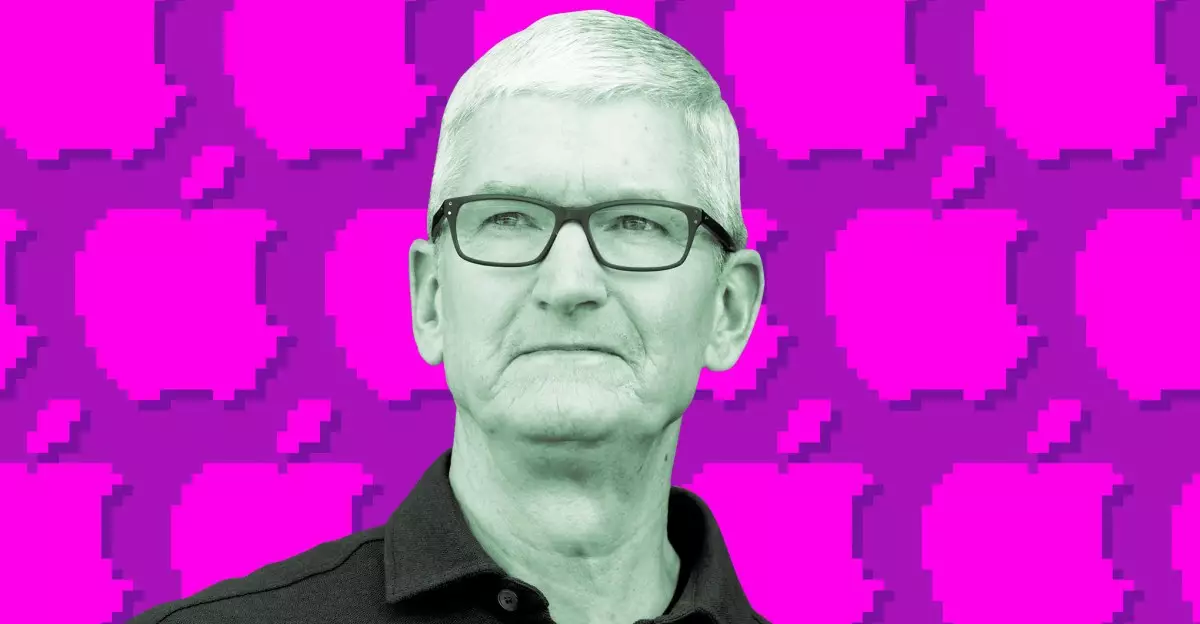
Apple’s recent all-hands meeting marked a pivotal moment in the company’s journey toward technological leadership in artificial intelligence. While historically cautious, Apple now boldly positions AI as a transformative force comparable to the advents of the internet and smartphones. This shift signals a recognition that complacency in innovation can no longer be sustained in a landscape relentlessly driven by rapid advancements. The company’s willingness to publicly acknowledge the magnitude of AI’s potential demonstrates a strategic intent to reassert its identity as an industry pioneer—not just a follower. CEO Tim Cook’s impassioned call to action underscores a belief that AI is not a fleeting trend but a cornerstone of future success, urging employees to see this moment as an opportunity to redefine Apple’s role in shaping the digital age.
Strategic Challenges and Institutional Resistance
Despite this optimistic outlook, Apple’s AI journey is riddled with hurdles that cast a shadow over its ambitions. The company’s delayed rollout of AI features, notably the much-anticipated upgrade to Siri, highlights internal struggles with integrating cutting-edge technology seamlessly. Apple’s initial approach, which tried to fuse traditional architecture with large language models (LLMs), reveals a cautious yet somewhat fragmented strategy. The realization that the hybrid system would not deliver the “Apple quality” expected indicates an internal recognition of limitations, and a willingness to overhaul foundational assumptions. Losing AI talent to competitors like Meta further complicates Apple’s quest, raising questions about its ability to retain innovation-driving minds amid fierce industry competition. This internal turbulence underscores that technological breakthroughs are not just about investment but also about overcoming cultural and structural resistance within legacy corporations.
The Road Ahead: Commitment, Risks, and Opportunities
What separates Apple’s current stance from mere rhetoric is its explicit commitment to overhaul its architecture and invest heavily in AI. This willingness to prioritize AI development — despite setbacks and external challenges — hints at a broader strategic pivot. Apple’s historical pattern of being “rarely first” suggests a cautious approach, but now the company seems determined to “be the best,” even if it means leading the charge rather than following. This shift could redefine its standing in the AI ecosystem, providing an opportunity to deliver genuinely innovative user experiences that uphold Apple’s ethos of quality and simplicity. Yet, this bold move involves significant risks, including technical failures, talent attrition, and fierce competition from rivals investing heavily in their own AI breakthroughs. Ultimately, Apple’s future in AI hinges on its ability to fuse strategic persistence with innovative agility, turning the company’s perceived late entry into a decisive advantage—if it manages to execute effectively.
 Spanish
  English