
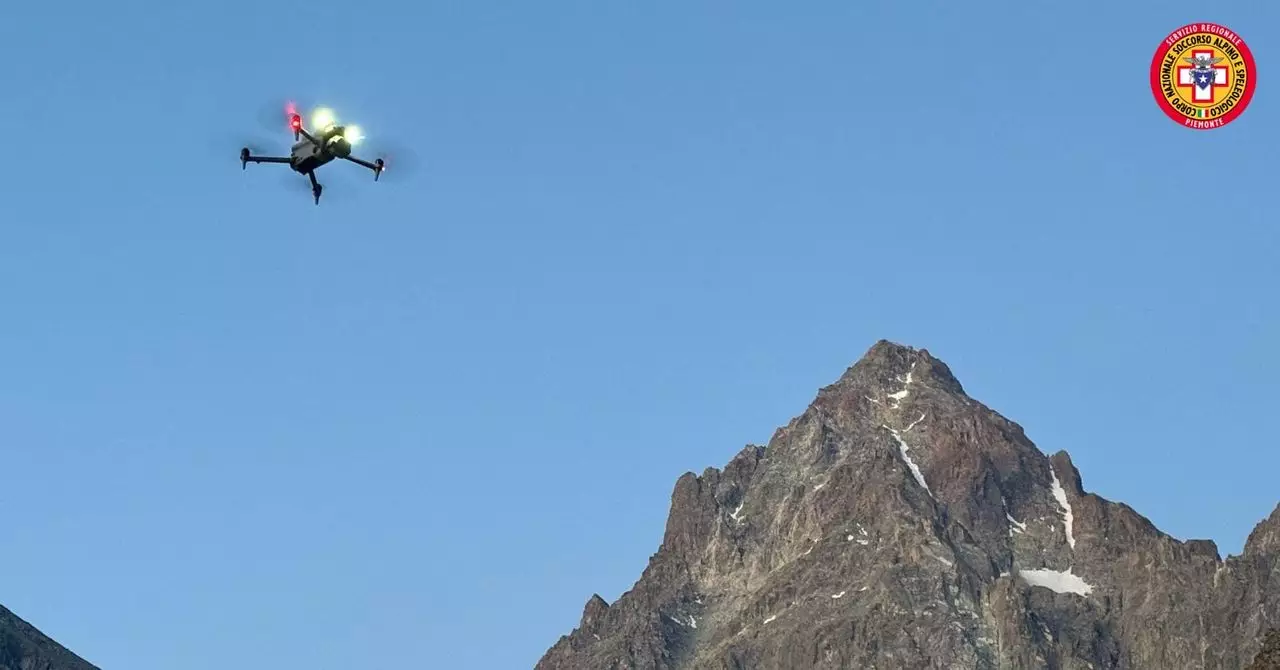
Traditional search and rescue operations in rugged terrains have long been constrained by human limitations. When a hiker goes missing on expansive mountain ranges—sometimes stretching over thousands of hectares—the task of locating a single individual becomes daunting. Human eyes, even when assisted by tools like binoculars and drones, encounter numerous barriers: fatigue, limited visibility, and the sheer scale of the terrain often lead to prolonged search times. In many cases, rescue missions can take weeks or even months, not necessarily because the missing person is far away, but because the probability of spotting critical clues amid vast, complex landscapes remains low. These constraints underscore an urgent need for more efficient, reliable methods to expedite recovery efforts, especially when time is of the essence for survival and dignity in death.
The Digital Breakthrough: AI as an Game-Changer
Enter artificial intelligence—a disruptive force in modern search operations that is reshaping how rescue teams operate in hostile environments. Unlike human observers, AI systems can analyze vast quantities of visual data within minutes, recognizing anomalies and patterns that might escape even the most vigilant eye. For example, recent operations on Italy’s Monviso peak exemplify this. Here, AI software processed 2,600 drone-captured frames within hours to hunt for a missing hiker’s helmet—a small but crucial clue that ultimately led rescuers to his body many months after his disappearance.
The AI’s ability to distinguish subtle differences in pixel patterns—detecting colors and shapes that stand out against the mountain’s natural palette—transformed an arduous weeks-long search into a matter of hours. These systems can automatically highlight suspicious objects, narrowing down areas that warrant closer inspection by human teams. This technological leap not only accelerates the search process but also increases its accuracy, saving precious hours and potentially lives.
The Power of Integration: Human Tech Teams and Autonomous Systems
Despite the impressive capabilities of AI, it does not operate in isolation. Successful rescue missions rely on a seamless interplay between human intuition, expert knowledge, and advanced technology. Mountain rescue teams, like CNSAS in Italy, have strategically integrated drones equipped with visual recognition software into their operations, establishing rigorous protocols in coordination with civil aviation authorities such as ENAC. These protocols ensure safety, efficiency, and legal compliance, facilitating rapid deployment when emergencies arise.
A key factor in this technological evolution is the expertise of rescue personnel—pilots, technicians, and mountain specialists—who interpret AI-generated data and make critical decisions. For example, in the Monviso operation, drone pilots combined their experience with AI alerts, rapidly aligning drone flight paths and correlating suspicious pixels with real-world landmarks. The collaboration culminated in a coordinated effort involving helicopters, ground teams, and specialized equipment, enabling the recovery of the hiker’s remains with remarkable speed.
Challenging Preconceived Notions of Search Efficiency
This case exemplifies a larger paradigm shift—where AI-driven search is no longer a futuristic concept but an operational reality. It challenges the perception that locating lost individuals in vast, difficult terrains is an insurmountable task subject to luck and exhaustive effort. Instead, success hinges on adopting and trusting AI and autonomous drone technology, coupled with experienced personnel.
Furthermore, the dramatic reduction in search times not only enhances operational efficacy but also evokes questions about resource allocation and the future of rescue missions globally. As AI develops further, imagine scenarios where real-time analysis during initial search stages could identify clues within hours of incident reports, dramatically improving the odds of timely interventions. Yet, reliance on technology also invites critique: the risk of over-dependence, technical failures, or ethical dilemmas regarding automated decision-making must be diligently addressed.
The integration of AI in mountain rescue signifies more than just technological progress; it embodies a profound shift in humanity’s ability to confront natural challenges. While the human element remains indispensable—bringing intuition, experience, and moral judgment—technology provides an unparalleled augmentation of capability. The Monviso example stands as a testament to this synergy, illustrating how AI-powered tools can dramatically shorten search times and improve the chances of recovery. As rescue organizations worldwide adopt similar systems, the future of mountain search and rescue promises to be safer, faster, and more precise—transforming what was once an arduous, often futile effort into an increasingly achievable mission.
 Spanish
  English