
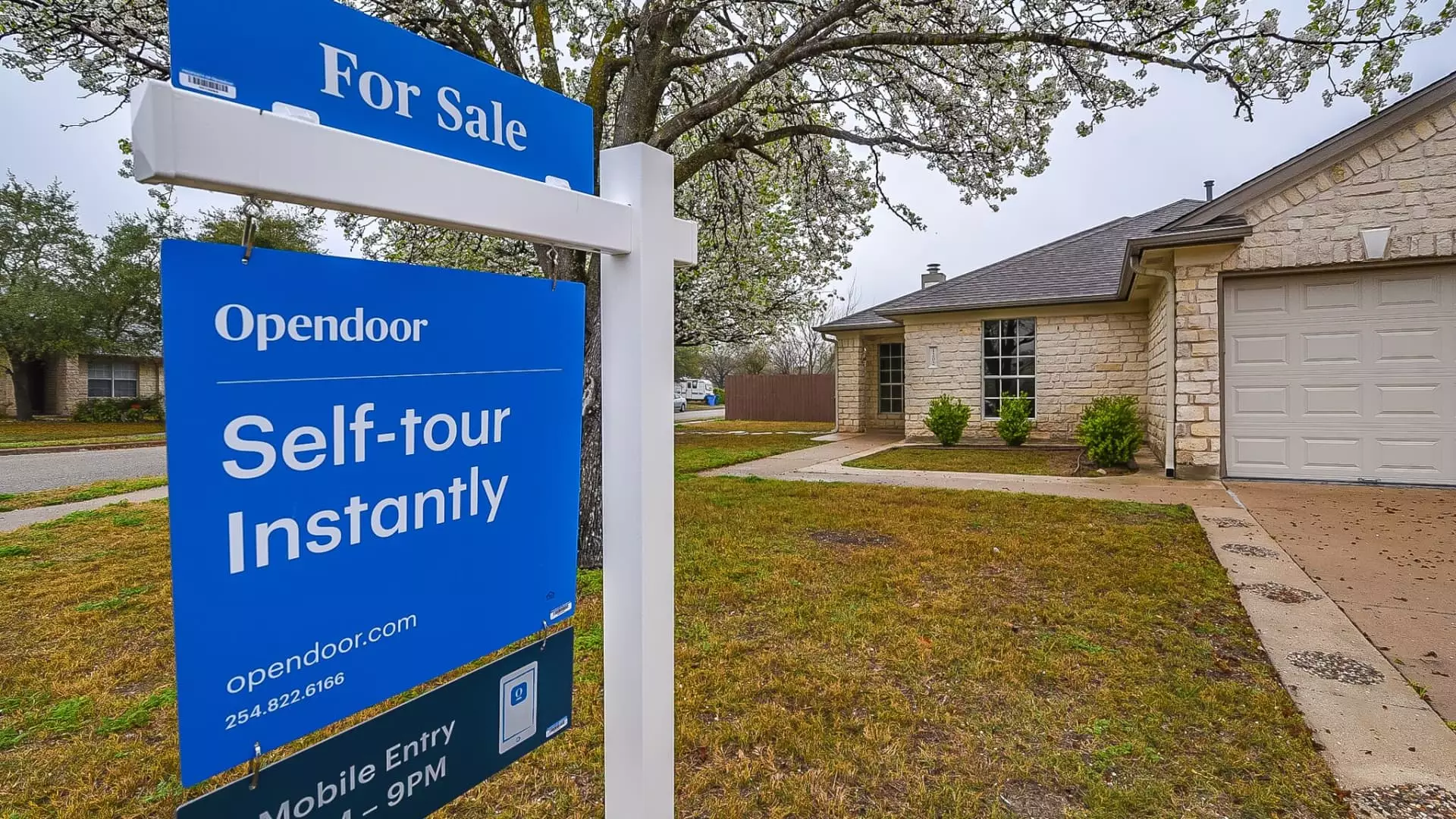
In a striking juxtaposition of hope and skepticism, Opendoor’s recent stock rally underscores the volatile nature of the housing and tech markets. The company’s shares surged nearly fivefold since early July, driven largely by investor enthusiasm and strategic shifts. Yet, this remarkable ascent is accompanied by record trading volumes and a lingering cloud of uncertainty. Such dramatic swings highlight the fragile optimism about Opendoor’s future trajectory, illustrating both the immense potential of its business model and the inherent risks involved. While some interpret this rally as a sign of investor confidence in the company’s ability to revive growth, critical eyes question whether these gains are sustainable or merely a fleeting reaction to speculative fervor.
Rebuilding Trust Amid Financial Turmoil
Once teetering on the brink of delisting, Opendoor faced a bleak outlook in mid-2022, with its stock plunging below $1, quite possibly becoming a cautionary tale about the dangers of overreliance on a single economic cycle. The precipitous decline prompted drastic measures, including the contemplation of a reverse split to maintain its Nasdaq listing. Fortunately, the company’s leadership shifted gears, opting instead to improve operational compliance and stability. This decision indicates a strategic emphasis on genuine recovery rather than superficial fixes—an essential move if Opendoor aims to restore investor confidence. The company’s willingness to adapt and reshape its approach suggests a recognition that mere hype cannot substitute for fundamental strengthening of its core operations.
From Boom to Bust: Navigating Market Headwinds
The pandemic-era housing boom brought Opendoor to prominence, leveraging technology to facilitate online home transactions. However, the subsequent rise in interest rates laid bare its vulnerabilities. Higher borrowing costs led to diminished demand, pulling revenue down by approximately two-thirds from 2022 to 2023. Despite these headwinds, the company managed to narrow its losses and show signs of operational resilience, notably a 4% revenue uptick in the second quarter and a notable reduction in net losses. Still, the outlook remains bleak, with projections indicating a sharp decline in upcoming revenues. The dip in home acquisitions, from 3,504 in the third quarter of 2024 to just 1,200 in the current quarter, underscores a cautious approach amid an uncertain housing market. These decisions reveal an acute awareness of the risks that come with overexpansion during turbulent times.
Strategic Realignment: The Path Forward
Perhaps the most compelling aspect of Opendoor’s recent announcements is its pivot toward a less capital-intensive model focused on referrals and partnerships rather than aggressive home flipping. CEO Carrie Wheeler’s description of this shift as “the most important strategic shift in our history” signals a desire to reinvent the company’s core business. By reducing property acquisitions and marketing spend, Opendoor aims to operate more sustainably, adapting to the realities of a sluggish housing market. The strategic emphasis on diversified revenue streams—beyond traditional iBuying—could position the company for a more resilient future. However, these changes only hold promise if executed with precise timing and disciplined management, especially as investor confidence continues to fluctuate with each new earnings report and market development.
The Volatile Future of Opendoor: Hope Versus Reality
While hedge fund manager Eric Jackson’s bullish stance injects a dose of optimism—his prediction that the stock could reach $82—such forecasts remain highly speculative amid current realities. The company’s recent earnings reflect a cautious outlook: a modest revenue increase in the second quarter, narrowing losses, but also a projection of significant revenue decline moving forward. This contradiction reveals the tension between market speculation and underlying financial health. For now, Opendoor’s journey is emblematic of a broader challenge faced by tech-enabled real estate platforms: balancing innovative strategies with economic realities. Investors’ enthusiasm might be warranted if the company manages to capitalize on its strategic pivots, but unfounded optimism risks leading stakeholders astray.
As Opendoor navigates this tumultuous phase, it must prove that its strategic shifts translate into tangible growth rather than short-lived hype. The company’s ability to adapt to the cyclical nature of the housing market, improve operational efficiencies, and cultivate investor trust will determine whether this recent rally marks a genuine return or a deceptive rally in a long road ahead. While the company’s fresh focus on diversified, less capital-intensive revenue streams demonstrates forward-thinking, the overarching challenge remains: transforming visionary ambitions into sustainable success. Only time will reveal if Opendoor can transcend the volatility and skepticism that have marked its recent past, forging a steadier, more promising future.
 Spanish
  English