
In the ever-evolving realm of cybersecurity, technological advancements continually redefine the boundaries of what’s possible in defending user data. Apple’s recent announcement of Memory Integrity Enforcement (MIE) marks a pivotal shift toward proactive, hardware-backed security measures. Far from being just another feature, MIE represents a fundamental overhaul of how modern devices protect themselves from increasingly sophisticated threats such as spyware and memory exploits. It is not merely an incremental update; it’s a bold declaration that device security must go beyond software patches to embrace embedded, always-on safeguards at the hardware level.
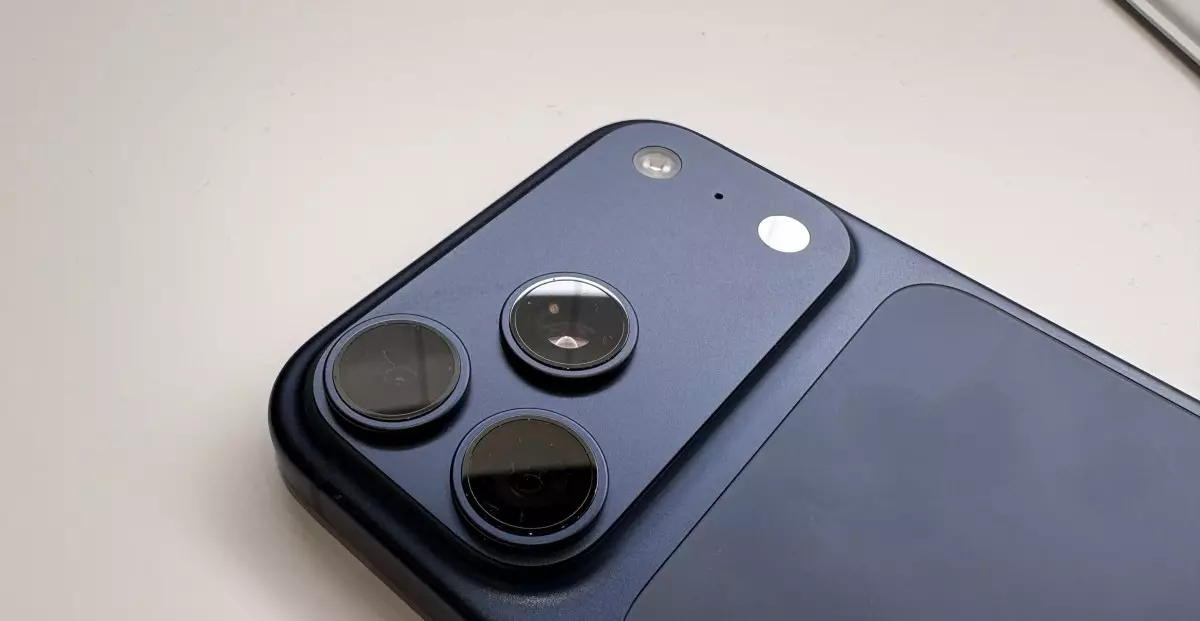
This strategic shift challenges the notion that users must accept vulnerabilities in older operating systems or hardware. Apple’s commitment to integrating MIE across its latest devices, including the iPhone 17 series, indicates a clear acknowledgment that security must be baked into the architecture itself. Instead of reactive responses to exploits, the company’s approach emphasizes a preemptive stance. It is designed to foil cyber adversaries at every turn, making it deliberately more arduous for malicious actors to succeed. The goal is not only to improve security but to make targeted attacks prohibitively complex and costly, thereby discouraging the entire spyware industry that depends on exploiting memory weaknesses.
Hardware and Software Synergy: The Core of Memory Integrity Enforcement
What sets Apple’s MIE apart from previous security features is its deep integration within the device’s hardware ecosystem. Utilizing enhancements built into their A19 chip and leveraging the Enhanced Memory Tagging Extension (EMTE), Apple aims to create a robust shield around critical components like the kernel and essential userland processes. This move signifies a paradigm where hardware security features aren’t optional add-ons but are central to the operating system’s architecture.
Deploying secure typed allocators and strict memory tagging protocols helps contain and isolate malicious code before it can do harm. The use of these advanced memory protections minimizes vulnerabilities stemming from software bugs or speculative-execution attacks like Spectre. Importantly, Apple claims that these security enhancements impose minimal performance overhead — a critical factor in user acceptance, as security often comes at the cost of speed and efficiency. By optimizing the balance between security and performance, Apple sets a high standard for ensuring that safety measures do not impede user experience.
Furthermore, Apple’s expansion of protections to support older hardware—despite the new memory tagging features being natively exclusive to the latest chips—demonstrates a broader philosophy. It underscores a responsibility to elevate security standards across all devices, not just the newest, thereby striving for a more uniformly protected ecosystem. This comprehensive approach signals a firm stance that modern threats require united, platform-wide defenses.
Implications for the Future and the Cybersecurity Arms Race
As Apple pushes forward with Memory Integrity Enforcement, the broader cybersecurity landscape will inevitably feel the reverberations. By reducing the attack surface and raising the bar for exploit developers, the tech giant is actively shaping an environment where spyware like Pegasus faces stiffer barriers. Making memory-related bugs and exploits more financially and technically burdensome to develop effectively discourages their proliferation.
However, critics and security experts remain cautious, noting that no security measure is infallible. While memory safety features are a significant step forward, they do not guarantee absolute protection. Malicious actors continually adapt, exploring new vectors of attack. The security community must remain vigilant, scrutinizing not only how these protections perform in theory but also how resilient they are against real-world attacks once they are deployed en masse.
The broader question is whether Apple’s aggressive push toward hardware-enforced security will inspire competitors to follow suit. As Android and other platforms begin adopting similar measures, we may witness a future where operating system security is less about reactive patches and more about innate, hardware-based resilience. This strategic evolution could shift the cybersecurity arms race, emphasizing resilience and integrity at the silicon level rather than solely relying on software defenses.
Apple’s implementation of Memory Integrity Enforcement signifies a decisive leap towards a future where user privacy and device security are prioritized at the most fundamental level. It’s an acknowledgment that in a digital age fraught with relentless threats, the best defense is a comprehensive, hardware-backed shield that continuously adapts to stay one step ahead of malicious actors. The impact of this approach extends beyond Apple’s ecosystem, challenging the entire industry to rethink what it means to truly secure modern technology.
 English
  Spanish