
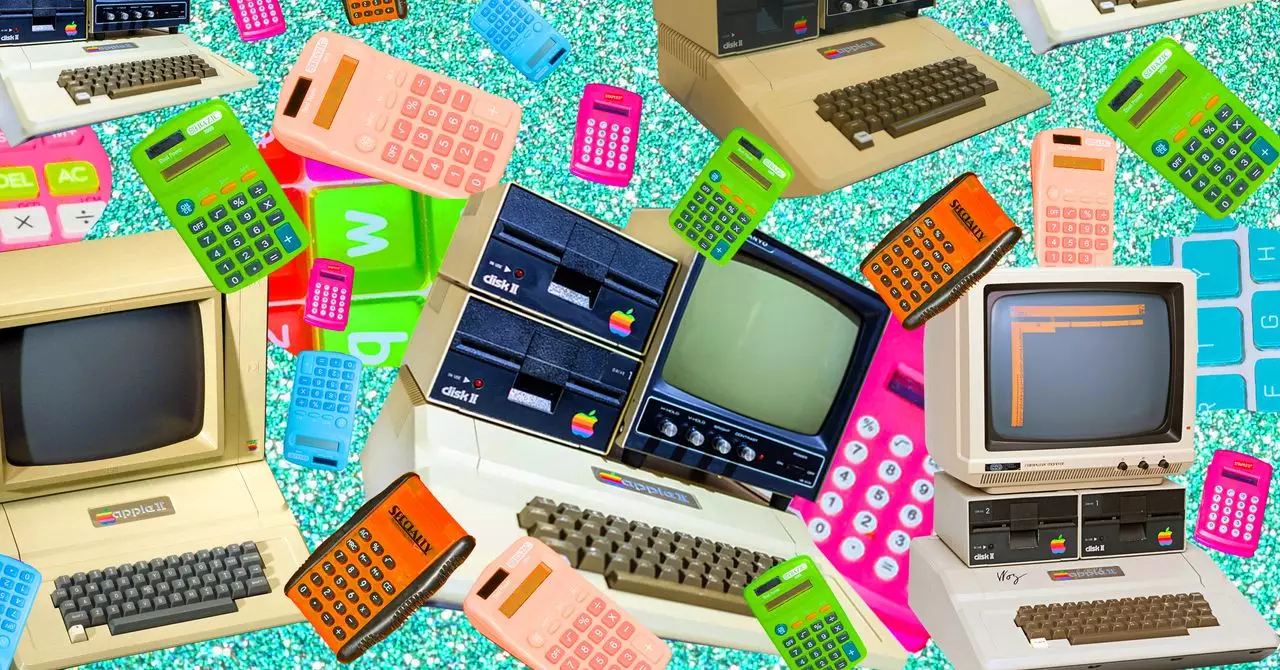
Since the early 1980s, corporate giants like Apple have been pivotal players in integrating technology into educational environments. Apple’s strategic donations, such as nearly 10,000 Apple IIe computers to California schools, exemplify how private enterprise initially sought to foster a digitally literate generation. These efforts often went hand-in-hand with legislative incentives; tax breaks for computer manufacturers encouraged corporate involvement. While such initiatives seemed promising on the surface, they often masked a deeper reliance on profit-driven motives rather than a genuine understanding of educational needs. This era sowed the seeds for the current digital landscape in schools, creating a narrative where technology became synonymous with progress, regardless of its alignment with pedagogical effectiveness.
Progress or Panacea? The Rapid Rise of Technology in Classrooms
Over the decades, the integration of computers and digital devices has dramatically evolved. What began with minimal access—in 1984, the American public schools had a computer-to-student ratio of 1:92—trickled into widespread adoption. By 2008, this number improved to 1:4, with 90% of middle and high school students now equipped with a personal digital device. School districts increasingly view tablets, laptops, and interactive whiteboards as essential tools for modern education. In essence, society’s faith in technology’s capacity to revolutionize learning became almost inexorable, with policymakers and educators assuming that more gadgets equate to better education outcomes.
Critical Voices and Skeptical Realities
However, this technological enthusiasm is far from universally supported. Critics like education professor A. Daniel Peck highlight a concerning trend: an overemphasis on computer-based tools may undermine fundamental skills such as critical thinking, literacy, and numeracy. Peering into the 1980s and early 1990s, skepticism was already emerging, warning that technology could divert resources and attention away from core educational priorities. Peck’s advocacy for a cautious approach underscores a broader debate—are schools merely chasing shiny gadgets, or are they genuinely enhancing learning? History offers ample evidence that technology’s promise often outpaces its proven benefits, raising questions about whether current investments truly support educational excellence or simply reflect a technological fad.
From Whiteboards to the Worldwide Web: The Evolution of EdTech
Interactive whiteboards and the internet have become hallmarks of modern classrooms. The adoption of whiteboards, with nearly a third of K-12 classrooms equipped by 2009, exemplifies how visual and interactive tools have transformed pedagogy. Yet, critics point out that high costs and a tendency toward teacher-centered instructional methods limit their true potential. Similarly, the internet—launched publicly in 1991—began as a niche technology but rapidly became a staple in schools. By 2001, a significant 87% of public schools had internet access, supported by programs like the FCC’s E-Rate, which allocated billions to bridge the digital divide. Despite this progress, concerns about the superficial use of internet technology persist, especially when the focus remains on connectivity rather than meaningful digital literacy and critical engagement.
The Cost-Conundrum and the Promise of Digital Education
While technological integration promises a future of enhanced learning opportunities, it comes with substantial costs. Interactive whiteboards can range from $700 to $4,500—expenses that can burden school budgets. Critics argue that these funds might be better allocated toward devices that promote greater student engagement, such as laptops or tablets, which tend to offer more personalized and versatile learning experiences. Moreover, the assumption that merely equipping schools with digital tools will improve educational outcomes is overly simplistic and often misguided. These investments risk becoming expensive distractions rather than catalysts for meaningful academic progress, especially if they are not accompanied by teacher training and strategic implementation.
Rethinking the Narrative: Technology as a Pedagogical Tool, Not a Panacea
In the broader scope of educational reform, it’s essential to recognize that technology alone cannot solve the complex challenges faced by schools. While digital tools have undeniable potential—enabling collaboration, access to information, and innovative teaching methods—they must be integrated thoughtfully. The tendency to treat technology as an automatic enhancer of learning reflects a fundamental misunderstanding: tools are only as good as the pedagogy that underpins their use. True progress lies in blending technological resources with sound educational principles, ensuring that devices serve as means to foster critical thinking, creativity, and deeper understanding—not merely symbols of modernity.
This critical examination underscores that technology in education, while revolutionary in appearance, requires a balanced approach rooted in pedagogical integrity, judicious investment, and an honest appraisal of what genuinely benefits learners. Without these elements, the risk remains that schools are swept up in a technological frenzy that ultimately diminishes the very quality of education it seeks to enhance.
 English
  Spanish