
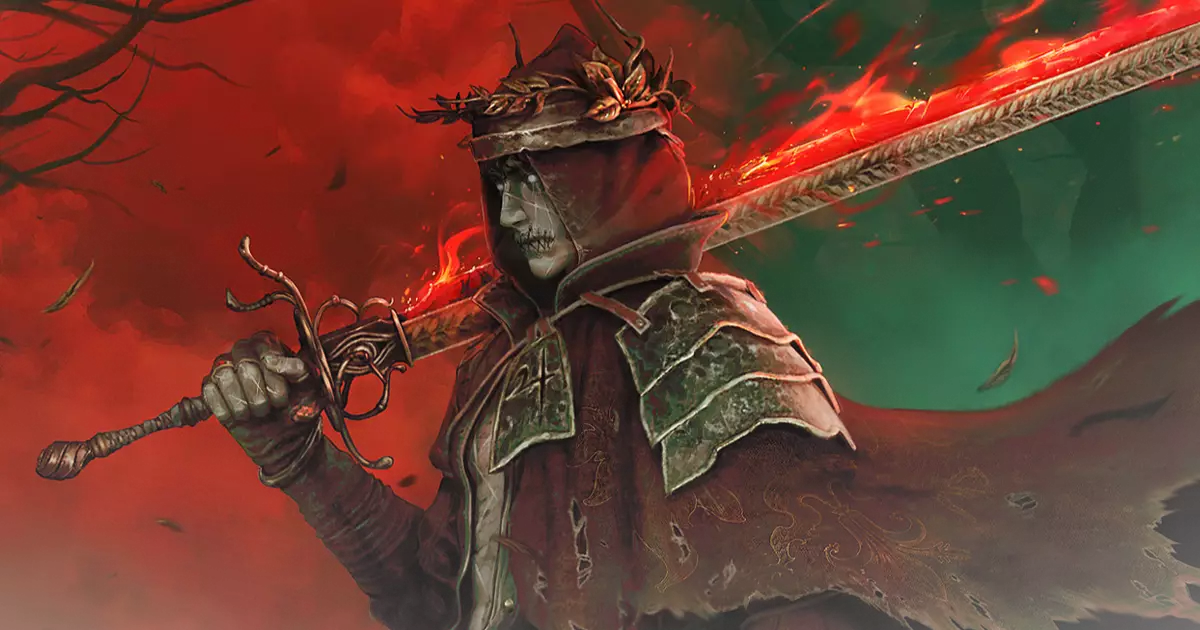
The upcoming project by Jyamma Games sparks both intrigue and skepticism as it ventures into one of literature’s most revered epics, Dante Alighieri’s *Divina Commedia*. Unlike previous attempts that merely superficialized Dante’s profound allegories, this new action-RPG aspires to revolutionize the narrative by intertwining it with innovative gameplay mechanics and a contemporary perspective. The game doesn’t simply take inspiration from Dante’s descent; it seeks to reimagine Hell itself as a sprawling, dynamic playground where myth, morality, and chaos collide in a visceral dance.
What sets this project apart is its audacious blending of classical literature with cutting-edge game design. Instead of a straightforward retelling, players are thrust into a metaphysical universe where the original poetic symbolism is transformed into an immersive gameplay experience. Each circle of Hell becomes a realm defined by specific sins, offering unique challenges and enemies rooted in concept rather than mere horror tropes. The game’s ambition is not to trivialize Dante’s complex poetry but to reinterpret its essence in a way that resonates with contemporary players craving both meaningful stories and exhilarating combat.
Innovative Mechanics Elevate the Dante Mythos
A key strength of Jyamma’s approach lies in its daring incorporation of modern gameplay elements that elevate the narrative beyond mere storytelling. The inclusion of multiple combat classes, character customization, and gender choice signifies a conscious effort to foster player agency. These features allow players to engage with Dante’s journey in ways that reflect their personal preferences, transforming what could be a static pilgrimage into a nuanced exploration of morality and power.
Furthermore, the procedural generation of extraction dungeons introduces a layer of unpredictability that keeps the gameplay fresh. It’s a smart move—consistent with today’s penchant for replayability and emergent discovery. Mining Hell for resources, while seemingly whimsical, echoes the poetic theme of salvation through toil, turning the act of exploring infernal depths into an essential part of the narrative architecture. Weapons and armor customization add a layer of personalization, making each player’s journey distinct and resonant.
Yet, it’s not all about mechanics. The presence of a narrative alignment system hints at a deeper philosophical engagement. Players’ choices may lead to different interpretations of Dante’s morality, echoing the poem’s own exploration of righteousness and sin. This reflective element encourages players to ponder their own values amidst Hell’s chaos, creating a meaningful bridge between classical literature and interactive gameplay.
The Cultural Gamble: Respect or Desecration?
Adapting a monumental literary work, especially one as meticulously crafted as Dante’s *Divina Commedia*, is an inherently risky endeavor. Criticism is inevitable—some will see it as a disrespectful simplification, reducing rich metaphors to mere combat scenarios or loot mechanics. The trailer, which leans heavily into action visuals, may reinforce notions that this is yet another superficial Hollywood-style hack job that disregards the depth of Dante’s vision.
But to dismiss this project outright would be to overlook the transformative potential of such a reinterpretation. While it may appear to commodify the *Divina Commedia*, it also has the power to introduce Dante’s work to an entirely new generation. Literature, after all, has historically evolved through adaptation—what better way to keep Dante’s visionary universe alive than through an engaging and visually compelling medium?
The challenge, however, lies in balancing reverence and innovation. If Jyamma Games can craft a game that respects the poetic symbolism while seamlessly integrating modern gameplay, they might indeed elevate the source material rather than diminish it. The risk is great, but the reward could be a cultural milestone—a game that sparks curiosity about Dante’s original masterpiece while providing a fresh, exhilarating experience.
The Literary Legacy in a New Light
In many ways, this project underscores the enduring relevance of Dante’s *Divina Commedia*. Its themes of morality, redemption, and human weakness remain vital in a world fraught with chaos and moral ambiguity. By repositioning Hell as a place of testing and transformation, the game has the potential to explore these timeless issues through an engaging, visceral lens.
Yet, the measure of success will depend heavily on execution. Turning poetic allegories into gameplay mechanics is a delicate art, one that requires more than just thematic inspiration. It demands a thoughtful integration of narrative depth with compelling action, a synthesis that has eluded many before. If Jyamma Games can navigate this tightrope, they may not only develop a captivating game but also ignite a broader conversation about the role of classical literature in modern entertainment.
Ultimately, the project’s willingness to challenge both traditional notions of storytelling and genre conventions is commendable. It pushes the boundaries—possibly controversial, certainly ambitious—and in doing so, might redefine how we experience some of history’s most profound works within the interactive space. If successful, this could mark the first step toward a new era where ancient texts become immersive worlds just as lively and complex as any modern fantasy or sci-fi universe.
 English
  Spanish