
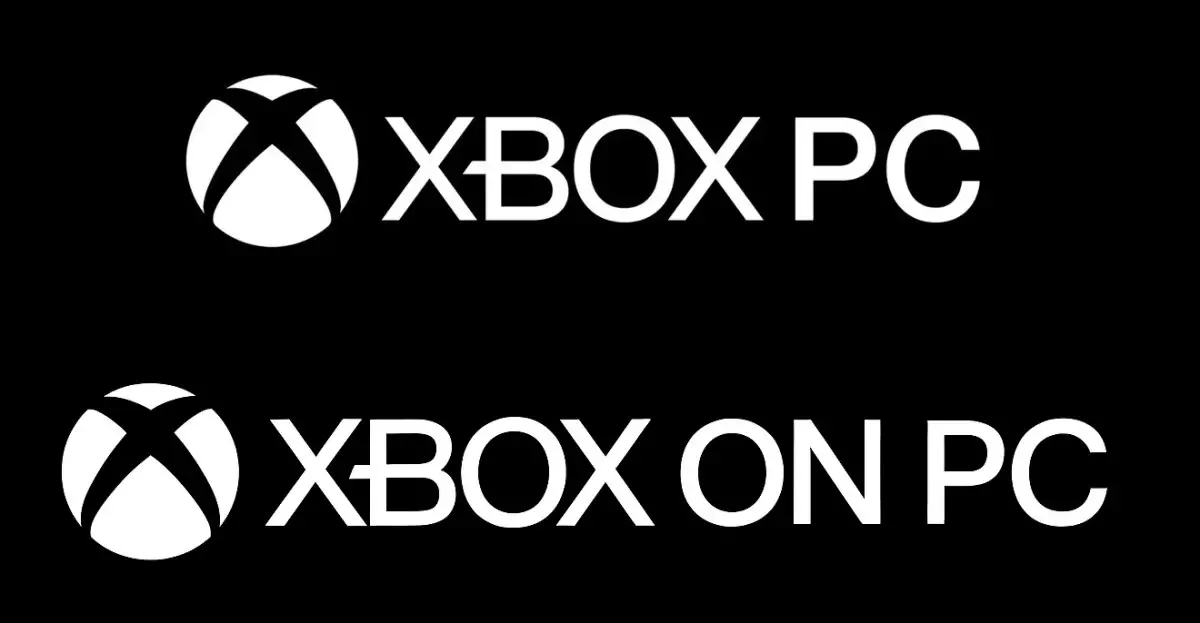
In an era where gaming ecosystems are becoming increasingly fluid, Microsoft’s recent renaming gambit reveals both its ambition and its internal struggle to define its identity. The company initially launched the “Xbox PC” branding, aiming to position Microsoft’s gaming content on Windows as part of an integrated universe. Yet, within a mere few weeks, this label was replaced by “Xbox on PC,” signaling a shift that might seem minor on the surface but carries significant implications for how Microsoft perceives and markets its gaming ecosystem.
The initial move to brand the PC experience as “Xbox PC” came across as an attempt to create a unified brand, akin to how Steam or Epic Games Store have carved out their spaces. It evoked a sense of seamlessness—an ecosystem where Xbox’s games could be effortlessly accessed on Windows, blurring the lines between console and computer gaming. However, the transition to “Xbox on PC”—though subtle—appears to be an intentional effort to emphasize the platform’s inclusivity without anchoring it solely to the Xbox hardware lineage.
This rapid switch exposes a core challenge: how does Microsoft want consumers to perceive this hybrid domain? Are they still trying to position themselves against Steam and other PC-centric platforms, or are they moving toward a broader umbrella that simply indicates “Xbox titles available for PC”? The ambiguity is troubling. When third-party publishers like Focus Entertainment, or even internal divisions such as World’s Edge, oscillate between branding styles, it creates confusion that could undermine consumer trust and recognition.
The Importance of Branding Consistency in Gaming Strategy
Branding in the gaming world is more than mere semantics; it reflects strategic priorities and market positioning. Microsoft’s evolving nomenclature suggests they are aware of this but haven’t yet settled on a precise identity. When the same product, whether it’s a trailer for “Age of Mythology: Retold” or an announcement for “Grounded 2,” shifts from “Xbox PC” to “Xbox on PC,” it implies that the company recognizes the need to refine its message but perhaps lacks the internal consensus on how to best communicate it.
The move to rebrand from “Xbox Game Pass for PC” to “PC Game Pass” years ago was a response to confusion, signaling an awareness that consumers needed clarity. Now, the transition from “Xbox PC” to “Xbox on PC” could be a bid for a more expansive, platform-agnostic identity. It’s an acknowledgment that Microsoft envisions a future where Xbox content isn’t confined by traditional hardware boundaries but instead exists across a spectrum of devices, including handheld PCs, VR headsets, and even mobile phones.
However, this vision—grand as it is—encounters a significant obstacle: how to maintain coherence as branding becomes more fragmented and fluid. An overly complicated or inconsistent naming convention risks diluting brand power, making it difficult for gamers to develop a clear understanding of what Microsoft offers and what it represents.
Redefining Xbox’s Role in Microsoft’s Ecosystem
At the core of this branding conundrum is a larger question: what exactly is Microsoft trying to achieve with its Xbox brand? Is it merely a label for game access, or is it transforming into a multimedia platform that encompasses all gaming-related experiences across devices? Their recent efforts, including the integration of Windows and Xbox for handheld devices and the upcoming unveiling at Gamescom, suggest they see their ecosystem as more than just a console brand. Instead, they aim to turn Xbox into an all-encompassing platform—stretching from traditional gaming consoles to smartphones and VR headsets.
The tension lies in balancing this expansive vision with the reality of consumer expectations. For many gamers, winning brand recognition and trust hinges on consistency. The rapid flip-flopping from “Xbox PC” to “Xbox on PC” could be viewed as either agility or indecisiveness. If Microsoft wants to cement its position as a gaming leader capable of challenging Steam, it must commit to a clear, unified branding strategy that resonates with users and clarifies the scope of its offerings.
Ultimately, Microsoft is positioning itself at a crossroads where it can redefine what gaming on Windows means. But to realize this potential, it must resolve its internal ambiguity and present a unified front. Whether it’s through a consistent brand name or a compelling narrative that ties all its devices, the company’s future as a cross-platform powerhouse depends largely on its ability to communicate what “Xbox” truly represents in the modern digital age.
 English
  Spanish