
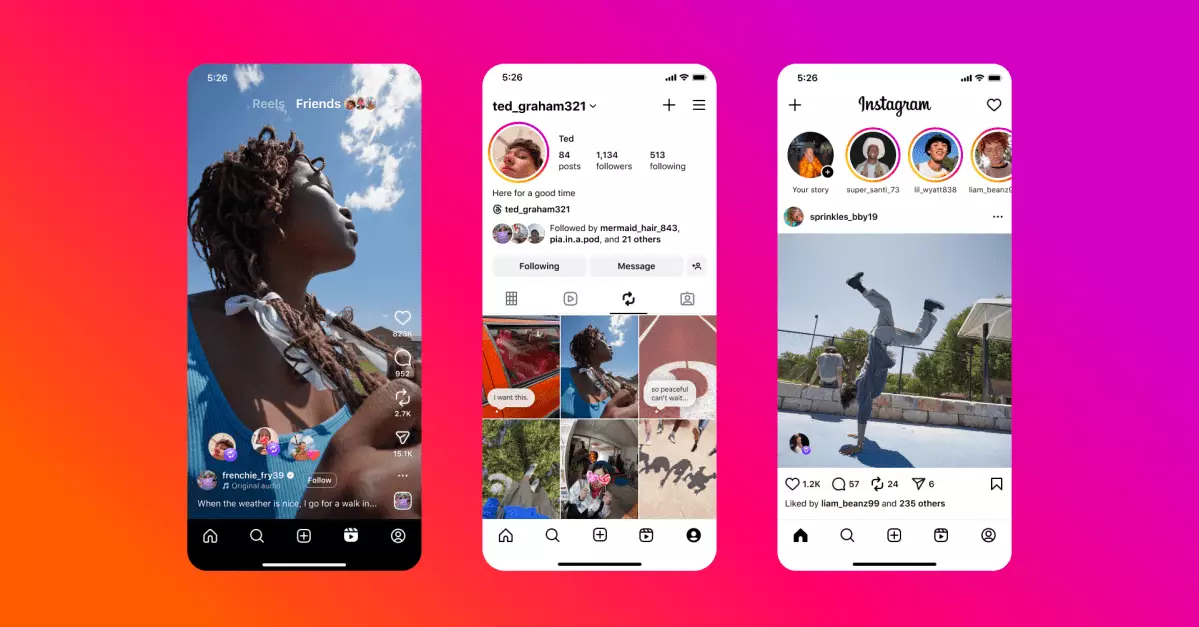
Instagram has long been synonymous with curated visual storytelling—primarily centered around sharing personal photographs with friends and family. However, recent strategic updates suggest that the platform is pivoting decisively to embrace a more lively, TikTok-inspired ecosystem. The addition of a reposting feature akin to TikTok’s re-share function embodies this shift, signaling Instagram’s intent to prioritize virality and user interaction over traditional photo-sharing. This change indicates that the platform recognizes the necessity of evolving beyond static images, leaning into short-form, easily shareable content designed to maximize engagement.
In essence, Instagram is not merely borrowing features; it’s rewriting its core engagement mechanics. By allowing users to repost Reels and grid posts seamlessly, the platform blurs the lines between original creation and community participation. This incremental move towards a more fluid content ecosystem puts user-generated content at the forefront—creating a space where sharing is effortless and organic, potentially increasing the time users spend exploring content. As users can now “reblog” content similarly to Tumblr or TikTok, it encourages a culture of remixing, sharing, and community curation that was previously less accessible in the app’s more polished environment.
Balancing Privacy and Social Exploration: The New Location Map
Where Instagram’s innovations truly stand out is in their attempt to enhance social intimacy while respecting user privacy. The redesigned location-sharing feature, modeled after Snapchat’s Snap Map, allows users to showcase their last active locations to friends who opt-in—adding a layer of real-world context to online interactions. This feature seeks to rekindle a sense of immediacy and proximity that many users miss as social media becomes increasingly curated and detached from real-life experiences.
However, this move raises critical privacy questions. Instagram is explicitly offering users greater control, with opt-in and mute options designed to prevent unwelcome exposure. While the feature has potential to encourage spontaneous meetups and authenticity, it remains to be seen whether users will feel comfortable sharing their whereabouts, especially given the platform’s evolving reputation for privacy concerns. The real challenge for Instagram lies in striking a balance: fostering a more connected, location-aware community without alienating users wary of overexposure.
Reimagining User Activity and Content Discovery
Perhaps the most contentious update revolves around Instagram’s attempt to make user interactions more transparent through an updated activity tab. The previous iteration, which allowed followers to see who was engaging with what, faced criticism for undermining user privacy. The new version offers more granular control—users can hide their likes and reposts or mute specific interactions, signaling an understanding that control over personal engagement data is crucial for user trust.
This feature development suggests Instagram’s recognition that transparency might be a double-edged sword. While sharing activity can create a communal feel, it also invites judgment and intrudes on personal boundaries. The platform’s attempt to give users the freedom to manage their activity visibility indicates a more mature, user-centric approach, even if it reflects a divergence from Instagram’s primary identity as a private photo album.
At the same time, these updates highlight an ongoing tension: Instagram’s push to compete with TikTok’s rapid-fire, viral ecosystem is at odds with its traditional role as a personal, intimate photo-sharing app. As videos and reposts gain prominence, the algorithmic feeds seem increasingly detached from chronological, authentic sharing. Whether users are ready for this more dynamic, less predictable experience remains uncertain.
Implications for Content Creators and Audience Engagement
The most profound impact of these changes falls on the backbone of Instagram—its creators. For years, content creators have lamented the platform’s dwindling organic reach, especially as its algorithms favor Reels and recommended content over genuine follower engagement. The new reposting and activity features could intensify this trend, making organic reach even more elusive as content becomes fragmented across various tabs, feeds, and shared reposts.
While some creators might leverage these new features to boost visibility, the overall effect risks further diluting the quality of interactions. If the focus shifts toward virality and content remixing, the intimate connection—originally at the heart of Instagram—may erode. Creators who built their following on authentic, personal stories could find it harder to stand out in an environment increasingly driven by algorithmically promoted reels and reposts.
Furthermore, the platform’s emphasis on constant innovation—adding features that sometimes feel like filler—raises the question: is Instagram genuinely enhancing user experience or merely trying to imitate competitors? The risk is that these features, instead of enriching the community, contribute to app bloat, leaving users overwhelmed and creators feeling disconnected from their audience.
Ultimately, Instagram’s bold recalibration could either propel it into a new era of vibrant, community-driven content or alienate its core users seeking authentic connections. The direction it chooses will determine whether these changes serve as a catalyst for engagement or as a sign of a platform struggling to find its identity in an overcrowded social media landscape.
 English
  Spanish