
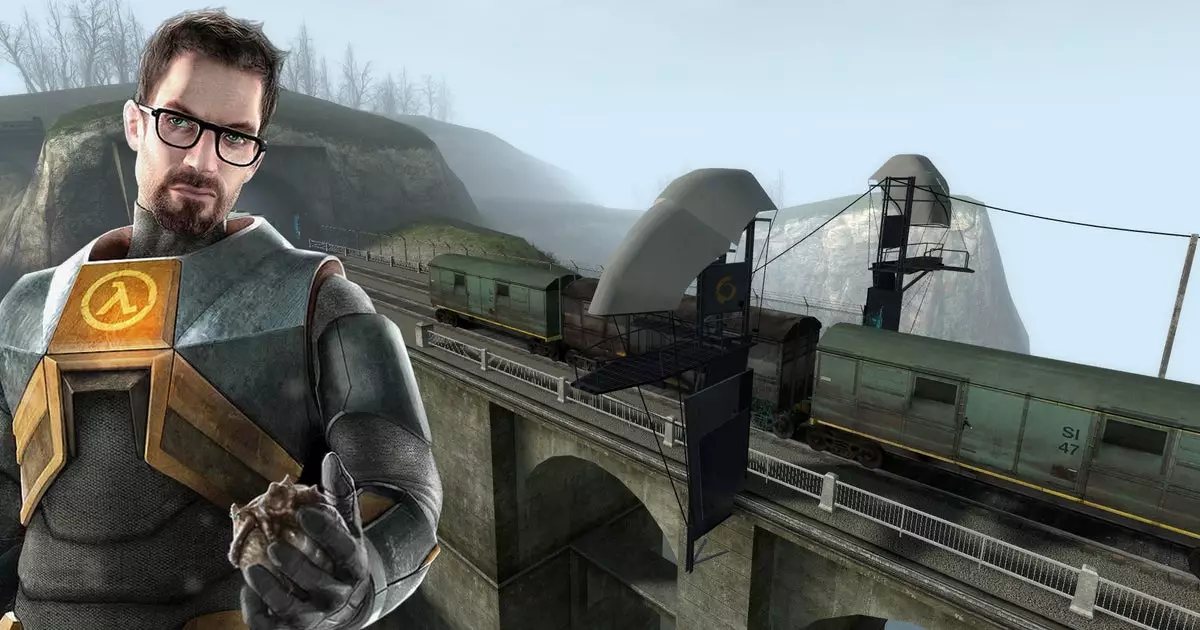
In the world of video games, few titles have left as profound an impact as Valve’s Half-Life 2. Its innovative storytelling, immersive physics, and memorable sequences have cemented its place in gaming history. Yet, despite its timeless appeal, the game is not immune to the passage of time—small bugs, design compromises, and outdated mechanics can diminish the experience for modern players. The recent update restoring the train’s speed in the “Highway 17” sequence exemplifies how minor tweaks can breathe new life into classic titles, reaffirming their relevance and engaging new generations of gamers.
This particular change might seem trivial at first glance—a simple adjustment to a train’s speed—yet it carries deeper significance. It highlights the enduring relationship between developers and their creations. By making a small correction, Valve demonstrates an ongoing commitment not only to preserving the history of their work but also to refining the player experience. It reminds players that even after decades, a classic game can be perfected, not abandoned, allowing adventures to be experienced as originally intended.
The Power of Nostalgia Balanced with Modern Refinement
Half-Life 2’s community has always been passionate, often recalling particular moments with a mix of nostalgia and frustration. The specific sequence where the train confronts the player in a tense chase was renowned for its tension, but also for its difficulty—especially after physics updates in later releases altered its challenge level. When the playing field shifts unexpectedly, it can dilute the intended immersion and challenge, turning what was once a well-balanced sequence into an unwelcome roadblock.
By restoring the train’s speed to match the original gameplay, Valve reconnects players with the intended thrill of the moment. It demonstrates that nostalgia need not be static; it can be enhanced by thoughtful, small adjustments that keep the experience authentic. Such updates also serve as a bridge between generations—older players remember the sequence in its original form, while newcomers may now have a chance to experience the game as it was first crafted, without artificially inflated difficulty or obsolescence.
Moreover, this move hints at a deeper philosophy about game preservation: that it’s worthwhile to revisit, tweak, and re-explore beloved titles. Players are craving acknowledgment that their nostalgia is valued. Companies that undertake periodic, thoughtful updates signal respect for their community and for the enduring cultural importance of their work.
The Quiet Work of Preservation: Fixes Beyond the Spotlight
While the train speed adjustment is the headline, it’s important to recognize the other behind-the-scenes fixes that often go unnoticed but are vital in maintaining the game’s integrity. Issues like NPC collision bugs and path obstructions, such as the stubborn Alyx in the teleporter sequence, may seem minor, but they impact flow and immersion. These aren’t flashy updates—they’re the subtle stitches ensuring the fabric of the game remains intact after many years.
Interestingly, many of these fixes trace back to Valve’s ongoing efforts to commemorate Half-Life 2’s anniversary—a subtle but persistent dedication to their legacy. Whether it’s removing invisible walls to aid speed runners or refining AI behavior, these small adjustments highlight a commitment to community feedback and a recognition that a game isn’t simply a product but a living, breathing experience that benefits from continuous care.
This approach also illuminates a broader truth about gaming: that the dedicated preservation and fine-tuning of classic titles depend on passionate individuals within development studios. The “invisible caretaker” trope, whether fictional or real, symbolizes the importance of small, meticulous work—carried out by those who still care enough to ensure these digital worlds remain vibrant and accessible.
The Enduring Relevance of Well-Maintained Classics
In an industry obsessed with new releases and cutting-edge graphics, it’s easy to overlook the importance of maintaining and refining older titles. Yet, Valve’s recent, minor updates serve as a testament to the enduring relevance of well-crafted games. They demonstrate that greatness is not solely measured by innovation but also by the willingness to revisit and honor the foundations upon which current gaming culture stands.
The act of tweaking a 20-year-old game might seem insignificant in the grand scheme of the industry’s relentless push for the next big thing. However, it’s precisely these small acts that preserve a game’s legacy and keep its community engaged. They create a bridge between the past and present—inviting new players into the fold while rewarding longtime fans with the feeling that their beloved experience is still cherished and cared for.
Ultimately, these updates underscore an essential principle: that timeless games are not completed but maintained, polished, and celebrated anew as long as there are dedicated individuals willing to invest their effort. Half-Life 2’s quiet, almost modest patches remind us that sometimes, preserving history is just as powerful as creating it.
 English
  Spanish