
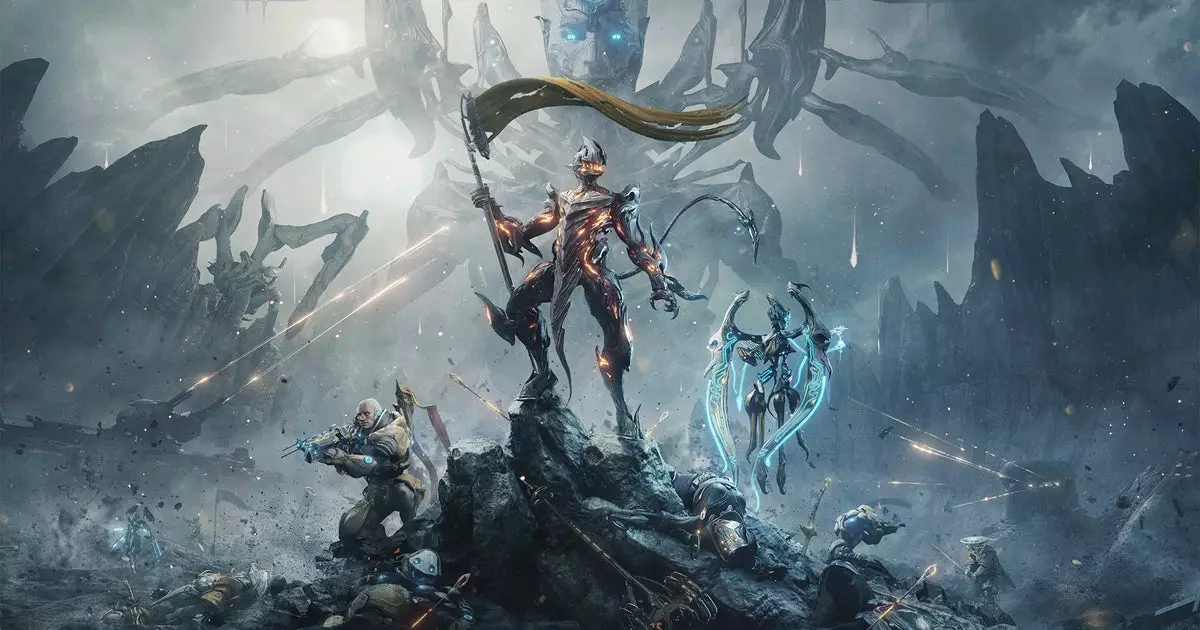
Warframe is a game that often elicits mixed feelings, especially from newcomers or those unfamiliar with its sprawling universe. Its reputation for complexity and depth can be intimidating, almost daunting, which inadvertently creates a barrier to entry. Yet, this layered design isn’t a flaw—it’s a testament to the game’s fearless ambition to craft a living, breathing sci-fi epic. In a gaming landscape saturated with superficial experiences, Warframe dares to build a universe where lore isn’t just flavor text but intertwined with gameplay, history, and player identity.
This unrelenting depth makes it inherently challenging to critique without feeling like one is dismissing a monumental creative endeavor. However, it’s worth recognizing that the very complexity that can alienate some players also signals a design philosophy rooted in respect for the player’s intelligence and curiosity. Warframe rewards those willing to invest time and mental energy, offering exponential storytelling layers that deepen with each update. Its continuous evolution showcases a commitment to growth, reflecting an understanding that games can be long-term narratives rather than static entertainment.
Anticipating ‘The Old Peace’: A Turning Point in Warframe’s Saga
The upcoming “The Old Peace” update exemplifies Warframe’s strategic push into richer storytelling and expansive gameplay. Set on the moon Perita, this chapter shifts focus towards “the war-scarring conflict between the Orokin, their creations, and a coalition of Dax Anarch Warriors.” The demo presented at TennCon reveals a game that balances high-stakes combat with moments of introspection and narrative weight. From fighting colossal robotic enemies to engaging with AI-driven hallucinations, players are invited into a hallucinatory experience that blurs the lines between reality and simulation.
What stands out is the update’s emphasis on exploring “the old peace”—a concept that juxtaposes the perpetual chaos of war with a fleeting hope for coexistence. Rebecca Ford’s commentary underscores this, framing it as a reminder that even at the brink of war, moments of diplomacy and peace are possible. It’s a narrative bold enough to challenge players’ perceptions of war as a static or inevitable state, instead positioning it as a cyclical saga with potential for redemption and change.
Legacy and Innovation: Honoring Art and Expanding Gameplay
One of the profound aspects of “The Old Peace” and its related updates is their acknowledgment of legacy. The new Warframe, Uriel, is a symbolic figure—devil-themed and the last work of the late art director Michael Brennan. This isn’t merely a new playable frame; it’s a tribute to artists and creators who leave behind a lasting mark on the game’s universe. Such gestures elevate Warframe from just a game to a memorial for creative talent and influence.
Besides narrative expansion, the update enriches gameplay mechanics, notably through an expanded focus skill tree and a new faction. The standalone side-story, “The Devil’s Triad,” promises challenging boss encounters and rare rewards, including warframes and protoframes. The focus on modding through “The Teacher” quest reflects a desire to demystify core gameplay elements, allowing players to delve deeper into customization and mastery. Unlike superficial cosmetic upgrades, these features foster a genuine sense of progression and player agency.
Beyond the Game: Cross-Media Collaborations and Future Horizons
Warframe’s expansion into other entertainment realms with the upcoming “Warframe x Starfinder: Operation Orias” tabletop RPG module demonstrates its versatility and broad vision. Collaborating with Paizo’s Starfinder franchise signifies an intent to cross-pollinate popular science fiction storytelling mediums, offering fans a new way to engage with the universe without directly involving gameplay. Such projects serve as a testament to the game’s expansive universe—rich and versatile enough to transcend its original confines.
Looking ahead, the tease of “Tau,” an update planned for 2026, signals that Digital Extremes is committed to a multi-year roadmap. It’s designed to keep players invested with new story arcs, challenges, and lore revelations. This ambitious outlook reflects a philosophy that Warframe isn’t merely a game—it’s a platform for storytelling, innovation, and community building that evolves over time rather than stagnating.
A Reflection on Digital Extremes’ Unwavering Vision
There is a certain audacity in Warframe’s persistent growth. While some titles might shy away from complexity out of fear of alienating casual audiences, Digital Extremes embraces it, turning it into a defining feature. Their willingness to develop an intricate lore, pay homage to legacy creators, and continuously push the boundaries of gameplay demonstrates their dedication to creating something more profound than a typical MMO.
The game’s future appears bright, fueled by a vision that values storytelling just as much as mechanics. It’s a testament to what can be achieved when developers refuse to settle for mediocrity, instead embracing their game’s unique identity and expanding it with passion and purpose. Warframe’s journey underscores a powerful truth: with enough ambition and resilience, even the most complex worlds can become beacons of innovation and storytelling excellence.
 English
  Spanish